
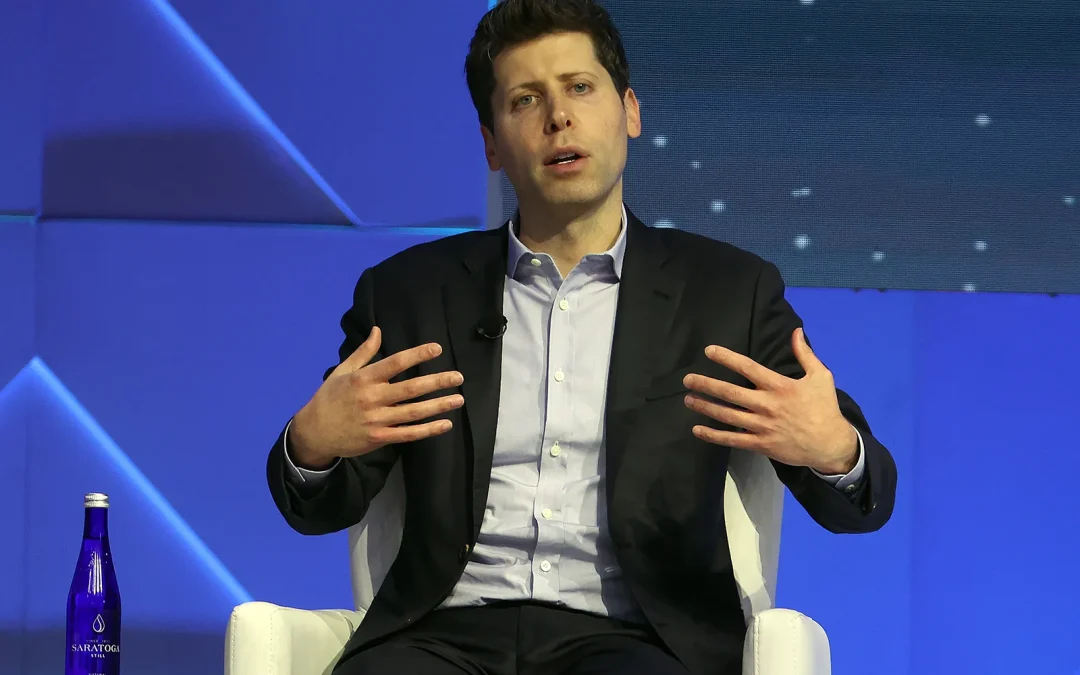
Sam Altman, a prominent figure in the world of technology and entrepreneurship, has carved a unique path marked by innovation, leadership, and a distinct philosophical outlook. As the CEO of OpenAI, a company at the forefront of artificial intelligence research, and the former president of Y Combinator, a renowned startup accelerator, Altman’s influence extends far beyond Silicon Valley.
This article looks into the philosophy and vision that drive Sam Altman, exploring the principles that have shaped his career and the impact he has had on the tech industry.
Early life and entrepreneurial spirit
To understand Sam Altman’s philosophy, one must examine the formative years that laid the groundwork for his entrepreneurial journey. Altman was born on April 22, 1985, in Chicago, Illinois. His early exposure to technology and programming sparked a fascination with the world of computers and the potential they held.
Altman’s entrepreneurial spirit became evident during his time at Stanford University, where he co-founded Loopt, a location-based social networking app, in 2005. Loopt was one of the pioneers in the location-based services space, and Altman’s experience with the startup provided valuable insights into the challenges and rewards of building a company from the ground up.
Philosophy of risk and failure
A cornerstone of Sam Altman’s philosophy is his approach to risk and failure. Altman believes that taking calculated risks is essential for achieving groundbreaking success. In an industry where uncertainty is the norm, Altman encourages entrepreneurs to embrace failure as a natural part of the innovation process.
This philosophy is deeply embedded in the culture of Y Combinator, where Altman served as president for several years. Y Combinator’s accelerator program is designed to support and mentor early-stage startups, providing them with the resources and guidance needed to navigate the turbulent waters of entrepreneurship. Altman’s belief in the transformative power of failure is evident in Y Combinator’s acceptance of risk-taking founders who are unafraid to push boundaries.
Altman’s own experiences with Loopt and subsequent ventures have reinforced his conviction that setbacks are not roadblocks but rather stepping stones to growth and improvement. Through his various roles in the tech ecosystem, Altman has become an advocate for cultivating a mindset that views failure not as a negative outcome but as an opportunity to learn, adapt, and iterate.
The human element in technology
Beyond the world of startups and venture capital, Sam Altman’s philosophy extends to the broader implications of technology on society. Altman recognizes the transformative potential of artificial intelligence and other emerging technologies but emphasizes the importance of maintaining a human-centric approach.
As the CEO of OpenAI, Altman is at the helm of an organization dedicated to developing artificial general intelligence (AGI) that benefits all of humanity. The vision of OpenAI is rooted in principles that prioritize safety, broad access, and cooperation. Altman envisions a future where AGI is developed and deployed in a manner that aligns with human values and serves the collective good.
Altman’s commitment to the responsible development of AI reflects his belief that technology should be harnessed for the betterment of society. He advocates for transparency, ethical considerations, and thoughtful governance in the development and deployment of powerful technologies that have the potential to shape the future.
The intersection of technology and society
Sam Altman’s philosophy also addresses the complex interplay between technology and societal dynamics. He recognizes that the impact of technological advancements extends far beyond the confines of the tech industry and has profound implications for global economies, governance, and the nature of work.
Altman has been vocal about the need for society to adapt to the rapid pace of technological change. He acknowledges the challenges posed by automation and AI, which have the potential to reshape industries and displace traditional jobs. In response, Altman advocates for proactive measures, such as reimagining education, fostering innovation, and exploring new models of social support.
His vision encompasses a future where the benefits of technological progress are distributed equitably, minimizing societal divides and empowering individuals to thrive in a rapidly evolving landscape. Altman’s philosophy encourages a collaborative approach that involves policymakers, technologists, and communities working together to address the multifaceted challenges posed by the intersection of technology and society.
Investing in the long-term future
In addition to his role at OpenAI, Sam Altman has been actively involved in investing and supporting ambitious projects that align with his long-term vision. His philosophy extends to the notion of investing not just in immediate returns but in endeavors that have the potential to shape the future positively.
Altman’s perspective on long-term thinking is reflected in his involvement with various moonshot projects. He has supported startups and initiatives that aim to tackle some of humanity’s most pressing challenges, from healthcare to climate change. By allocating resources to projects with transformative potential, Altman exemplifies a philosophy that extends beyond the traditional venture capital focus on short-term gains.
The importance of mentorship and learning
Sam Altman’s philosophy also emphasizes the significance of mentorship and continuous learning. Throughout his career, Altman has been a mentor to numerous entrepreneurs, providing guidance and support to those navigating the complexities of the startup landscape. He understands the value of learning from both successes and failures, and he encourages aspiring founders to seek out mentorship as a valuable resource.
Altman’s commitment to learning is evident in his journey, marked by a willingness to adapt and evolve. Whether through hands-on experience at Loopt, leadership at Y Combinator, or steering the course at OpenAI, Altman remains dedicated to staying informed about the latest technological developments and societal trends.
Lessons for entrepreneurs
The philosophy and vision of Sam Altman offer valuable lessons for entrepreneurs, leaders, and individuals navigating the dynamic landscape of technology and innovation. Here are some key lessons drawn from Altman’s approach:
1. Long-term thinking in investments
Altman’s approach to investing goes beyond short-term gains. Entrepreneurs and investors can learn from his commitment to projects with transformative potential, even if the returns may not be immediate. Investing in the long-term future requires foresight, patience, and a willingness to support endeavors that align with a broader vision.
2. Address societal implications of technology
Altman acknowledges the broader implications of technological advancements on society, including issues like job displacement due to automation. Entrepreneurs and leaders should actively engage with the societal impacts of their innovations, advocating for measures that promote adaptation, reimagined education, and social support to navigate the evolving landscape.
3. Value mentorship and continuous learning
Altman places a high value on mentorship and continuous learning. Entrepreneurs should seek guidance from experienced mentors, learning from both successes and failures. The commitment to ongoing education and adaptation is crucial in an industry characterized by rapid change.
4. Embrace failure as a catalyst for growth
Altman’s philosophy encourages entrepreneurs to view failure as a natural part of the innovation process. Instead of fearing setbacks, see them as opportunities to learn, iterate, and ultimately grow. This attitude to failure fosters resilience and perseverance in the face of challenges.
5. Take calculated risks
Altman advocates for taking calculated risks as an essential element of achieving groundbreaking success. While risk is inherent in entrepreneurship, strategic and well-thought-out risks can lead to significant rewards. Entrepreneurs should assess risks, make informed decisions, and be willing to step outside their comfort zones.
6. Adopt a human-centric approach to technology
Altman emphasizes the importance of maintaining a human-centric approach to technology. When developing and deploying advanced technologies like AI, prioritize safety, ethical considerations, and a focus on benefiting humanity. This perspective ensures that technological advancements align with human values and contribute positively to society.
Final take
Sam Altman’s philosophy and vision represent a dynamic blend of entrepreneurial spirit, risk-taking, ethical considerations, and a commitment to shaping a positive future. From his early days as a startup founder to his current role at the forefront of artificial intelligence research, Altman’s journey reflects a deep understanding of the complex interplay between technology and humanity.
His philosophy encourages a mindset that embraces failure as a catalyst for growth. It also envisions technology as a force for good and recognizes the imperative of long-term thinking. As a leader, investor, and advocate for responsible innovation, Sam Altman continues to leave an indelible mark on the tech industry. He continues to influence the next generation of entrepreneurs and shape the trajectory of technological progress for the benefit of all.
FAQs
What is Sam Altman’s broader impact on the tech industry?
Sam Altman’s impact on the tech industry is multifaceted. From his early days as a startup founder to his leadership roles at Y Combinator and OpenAI, Altman has left an indelible mark. His philosophy, encompassing risk-taking, ethical considerations, and a commitment to positive long-term change, has influenced how the tech industry approaches innovation, investment, and societal responsibility.
How has Sam Altman influenced the next generation of entrepreneurs?
Sam Altman has influenced the next generation of entrepreneurs through his roles at Y Combinator and OpenAI. As a mentor, investor, and thought leader, Altman’s philosophy and vision have shaped the startup ecosystem, encouraging aspiring founders to embrace risk, learn from failures, and consider the broader societal impact of their innovations.
What role does mentorship play in Sam Altman’s philosophy?
Mentorship is a significant aspect of Sam Altman’s philosophy. Throughout his career, Altman has served as a mentor to numerous entrepreneurs, providing guidance and support. He values learning from both successes and failures and encourages aspiring founders to seek mentorship as a valuable resource in navigating the complexities of the startup landscape.
How does Sam Altman view the importance of learning and adaptation?
Altman recognizes the importance of continuous learning and adaptation. His career trajectory, from co-founding Loopt to leading Y Combinator and OpenAI, reflects a willingness to evolve and stay informed about the latest technological developments and societal trends. Altman encourages a mindset that values learning as a continuous process.
What is Sam Altman’s stance on the responsible development of AI?
Sam Altman, the CEO of OpenAI, is an advocate for the responsible development of artificial intelligence. He emphasizes transparency, ethical considerations, and thoughtful governance in the development and deployment of AI technologies. Altman envisions a future where AGI is harnessed for the betterment of society while minimizing risks and ensuring safety.
What is the vision of OpenAI under Sam Altman’s leadership?
As the CEO of OpenAI, Sam Altman envisions the development of artificial general intelligence (AGI) that benefits all of humanity. OpenAI’s vision is rooted in principles of safety, broad access, and cooperation. Altman aims to ensure that AGI is developed and deployed in a manner that aligns with human values and serves the collective good.
How does Sam Altman approach long-term thinking in his investments?
Altman’s philosophy extends beyond short-term gains in venture capital. He actively invests in projects and startups with transformative potential, reflecting a commitment to shaping the long-term future positively. Altman supports moonshot projects that tackle significant global challenges, emphasizing the importance of investing in endeavors that go beyond immediate returns.
What is Sam Altman’s philosophy regarding risk and failure?
Sam Altman believes in taking calculated risks as an essential component of achieving groundbreaking success. He encourages entrepreneurs to embrace failure as a natural part of the innovation process. This philosophy is deeply embedded in the company culture of his businesses, emphasizing that setbacks are opportunities for growth and improvement, not roadblocks.
How does Sam Altman view the intersection of technology and society?
Altman recognizes the profound impact of technological advancements on society. He emphasizes the need for a human-centric approach, advocating for responsible development, transparency, and ethical considerations in the deployment of technologies. Altman also addresses the challenges posed by automation and AI, advocating for proactive measures to adapt to the evolving technological landscape.
How Pressfarm can help you achieve success with your brand
If you’re aiming to be a household name like Sam Altman, your brand management can determine your success or failure. At Pressfarm, we help companies define the right narrative in the media for their brand – either to improve their credibility or resolve a PR crisis. If you are an entrepreneur wondering how to improve your company’s publicity, get in touch with us. We can help you craft and distribute your press releases, develop compelling guest posts, and design eye-catching media kits for your brand.
Learn why we are good at what we do from our customer success stories.
