
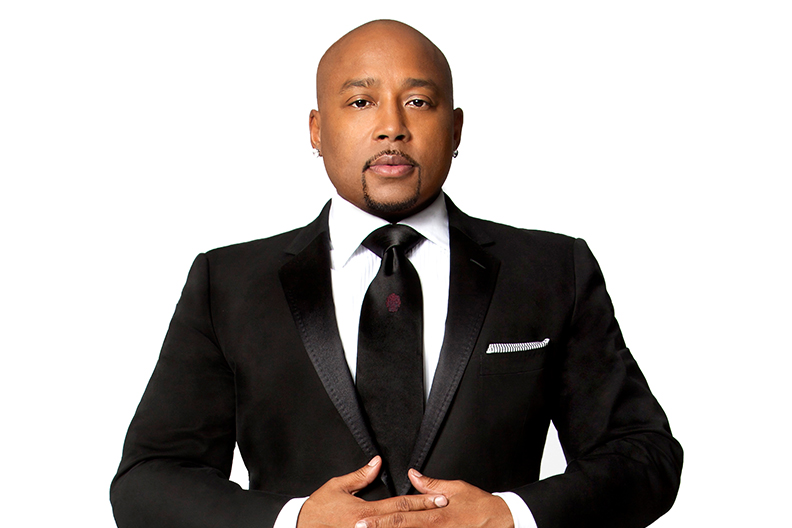
In the vibrant landscape of fashion entrepreneurship, few stories resonate as powerfully as that of Daymond John and FUBU. From its humble beginnings in Queens, New York, to becoming a globally recognized streetwear brand, FUBU’s journey is a testament to resilience, creativity, and entrepreneurial spirit.
This article delves into the fascinating origins of FUBU and explores how Daymond John transformed a simple idea into a fashion empire.
The early years of Daymond John: a glimpse into his roots
To understand the genesis of FUBU, we must first delve into the life of its visionary founder, Daymond John. Born and raised in Queens, New York, John’s entrepreneurial spirit was ignited at an early age. Raised by a single mother, he learned the value of hard work and determination. It was on the streets of Queens where John honed his business acumen, selling everything from homemade hats to T-shirts.
The birth of FUBU: turning adversity into opportunity
FUBU, which stands for “For Us, By Us,” is a clothing brand that emerged in the 1990s and quickly became a cultural phenomenon, particularly within the African American community. Founded by Daymond John, along with his friends J. Alexander Martin, Keith Perrin, and Carlton Brown, FUBU was born out of a desire to create fashionable streetwear that resonated with urban youth.
One of the key elements of FUBU’s success was its emphasis on authenticity and inclusivity. The brand’s motto, “For Us, By Us,” reflected its commitment to representing and empowering the Black community. FUBU’s clothing designs incorporated elements of hip-hop culture, including bold graphics, baggy silhouettes, and athletic influences, which resonated strongly with its target audience.
FUBU’s rise to prominence was propelled by savvy marketing strategies, including grassroots initiatives and product placements in music videos and films. The brand became closely associated with hip-hop icons like LL Cool J and the Wu-Tang Clan, further solidifying its street cred and cultural relevance.
Despite facing challenges and competition in the fashion industry, FUBU continued to expand its product offerings beyond clothing, including accessories, footwear, and even a fragrance line. Additionally, the brand diversified its target audience to include not only Black consumers but also fans of urban fashion worldwide.
Although FUBU experienced some setbacks over the years, including changes in ownership and shifts in consumer preferences, its legacy as a trailblazer in urban fashion remains intact. The brand’s impact on popular culture and its role in providing a platform for Black creatives and entrepreneurs cannot be overstated. Today, FUBU continues to inspire and influence contemporary streetwear brands, standing as a testament to the power of authenticity, representation, and community in fashion.
The power of branding: FUBU’s rise to prominence
Central to FUBU’s success was its ability to transcend mere clothing and transform into a cultural phenomenon. The brand spoke directly to its target demographic – the young, diverse, and often marginalized urban communities. Moreover, it offered them more than just fashion; it offered a sense of belonging and pride.
FUBU’s branding strategy was bold and unapologetic. From its name (“For Us, By Us”) to its logo (a stylized “FB” encased in a circular design reminiscent of a record—a nod to hip-hop’s influence) the brand communicated a message of inclusivity and empowerment. By positioning itself as a brand by and for the people it aimed to serve, FUBU fostered a deep emotional connection with its customers, transcending the transactional nature of commerce.
Navigating challenges
Despite its rapid ascent, FUBU faced its share of challenges along the way. As the brand gained popularity, it encountered skepticism and resistance from mainstream retailers and investors who doubted its long-term viability. However, rather than conforming to the expectations of the establishment, FUBU remained steadfast in its commitment to authenticity and independence.
One pivotal moment in FUBU’s journey came when founder Daymond John secured a prime spot at a major industry trade show, MAGIC, by pretending to be a buyer. This audacious move not only garnered attention but also led to significant orders from retailers, propelling FUBU into the spotlight and solidifying its position as a force to be reckoned with in the fashion world.
FUBU beyond fashion: diversification and impact
As FUBU continued to expand its reach, Daymond John recognized the importance of diversification. Beyond clothing, the brand ventured into various sectors, including accessories, fragrances, and even a record label. Additionally, John used his platform to empower aspiring entrepreneurs through initiatives such as the FUBU “The Collection” campaign and his role as a mentor on the hit TV show “Shark Tank.”
Collaborations and expansion
As FUBU continued to grow, it leveraged strategic collaborations and partnerships to expand its reach and influence. High-profile endorsements from celebrities and musicians further elevated the brand’s status, while collaborations with established companies like Coca-Cola and Samsung helped FUBU tap into new markets and diversify its product offerings.
Moreover, FUBU’s foray into other industries, such as fragrance and footwear, showcased its versatility and adaptability as a brand. By staying true to its core values while embracing innovation and evolution, FUBU demonstrated that authenticity and growth are not mutually exclusive.
Legacy and influence: FUBU’s enduring impact
Today, FUBU stands as more than just a fashion brand; it is a cultural phenomenon and a symbol of empowerment. Daymond John’s journey from a street corner hustler to a fashion mogul serves as an inspiration to countless aspiring entrepreneurs around the world. FUBU’s legacy continues to resonate, reminding us of the power of perseverance, passion, and the pursuit of dreams.
Lessons to grasp
-
Giving back and paying it forward
Despite achieving immense success, Daymond John has remained committed to giving back to his community and supporting aspiring entrepreneurs. He has mentored countless individuals through initiatives like his Daymond John Academy and has used his platform to advocate for diversity and inclusion in the business world. This lesson emphasizes the importance of paying it forward and using one’s success to uplift others, creating a ripple effect of positive change.
-
Evolving with the times
As the business landscape evolves, successful entrepreneurs must be willing to adapt and evolve with it. Daymond John exemplified this principle by diversifying FUBU’s product offerings and expanding into new ventures beyond fashion. He also embraced emerging technologies and digital platforms to connect with customers in innovative ways. This lesson underscores the importance of staying agile and proactive in responding to changes in the market and consumer preferences.
-
Building strategic partnerships
Another crucial aspect of Daymond John’s success with FUBU was his ability to forge strategic partnerships. Whether it was collaborating with other brands or securing distribution deals with major retailers, John understood the power of partnerships in scaling his business. By aligning with the right partners, he was able to expand FUBU’s reach and tap into new markets. This lesson highlights the significance of building strategic alliances and leveraging the strengths of others to fuel growth and success.
-
Overcoming adversity and rejection
Daymond John’s journey with FUBU was fraught with challenges, including financial struggles and numerous rejections from potential investors and retailers. However, he persisted in the face of adversity, believing wholeheartedly in his vision for the brand. His resilience and determination eventually paid off when FUBU gained traction and became a global phenomenon. This outcome underscores the importance of perseverance and resilience in the entrepreneurial journey—success rarely comes without one having to overcome obstacles.
-
Identifying and nurturing an untapped market
Daymond John’s success with FUBU stemmed from his keen observation of an underserved market – urban youth interested in hip-hop culture. Recognizing this gap, John capitalized on the burgeoning hip-hop fashion scene of the early 1990s. His ability to identify and cater to this demographic set FUBU apart from competitors and laid the foundation for its success. The lesson here is clear: identifying and nurturing an untapped market can be a game-changer for aspiring entrepreneurs.
-
Embracing innovation and authenticity
FUBU’s success was not just about identifying a market need but also about offering something unique and authentic. John and his partners infused their designs with elements of hip-hop culture, creating apparel that resonated with their target audience. Moreover, they embraced innovation by using grassroots marketing tactics, such as sponsoring events and leveraging celebrity endorsements. This approach emphasizes the importance of authenticity and innovation in building a memorable brand identity that stands out in a crowded marketplace.
Final take
In the ever-evolving world of fashion and entrepreneurship, Daymond John and FUBU’s story remains as relevant and inspiring as ever. From humble beginnings to global success, John’s journey is a testament to the transformative power of vision, resilience, and unwavering determination. When we consider the beginnings of FUBU, we are reminded that greatness frequently arises from the most unlikely of places and that everything is achievable with the correct combination of imagination, bravery, and persistence.
FAQs
Who is Daymond John, and what is FUBU?
Daymond John is an American entrepreneur, investor, author, and television personality best known as the founder and CEO of FUBU, which stands for “For Us, By Us.” FUBU is a streetwear apparel company that gained prominence in the 1990s for its urban fashion styles and cultural significance.
What is the legacy of FUBU and Daymond John?
The legacy of FUBU and Daymond John extends far beyond the realm of fashion and business. FUBU paved the way for diversity and inclusion in the fashion industry, challenging traditional norms and empowering underrepresented communities. Daymond John’s entrepreneurial spirit and philanthropic efforts continue to inspire individuals worldwide to pursue their dreams and make a positive impact on society.
What lessons can aspiring entrepreneurs learn from Daymond John’s journey with FUBU?
Daymond John’s journey with FUBU offers several valuable lessons for aspiring entrepreneurs. It underscores the importance of perseverance, innovation, and the ability to adapt to changing market dynamics. John’s emphasis on authenticity, community engagement, and building strong relationships also serves as a blueprint for entrepreneurial success.
What is Daymond John’s involvement with FUBU today?
Although Daymond John has transitioned into other ventures and pursuits, including his role as a “Shark” on the hit television show “Shark Tank,” his connection to FUBU remains strong. While he may not be as directly involved in the day-to-day operations, John continues to serve as a brand ambassador and mentor, inspiring the next generation of entrepreneurs.
What was the turning point for FUBU?
The turning point for FUBU came when Daymond John secured a $300,000 order from the retail giant, Macy’s, after successfully pitching his products to a buyer there. This deal not only provided much-needed capital but also validated FUBU’s potential as a mainstream fashion brand.
How did FUBU expand beyond clothing?
Over the years, FUBU expanded its product offerings to include accessories, footwear, and even fragrances, capitalizing on its brand recognition and popularity. Daymond John’s savvy business acumen and strategic partnerships helped FUBU evolve into a lifestyle brand with global reach.
What were the early challenges Daymond John faced in starting FUBU?
Like many entrepreneurs, Daymond John faced numerous challenges when starting FUBU. Limited capital, lack of resources, and skepticism from industry insiders were just a few of the hurdles he encountered. However, John’s unwavering belief in his vision and his relentless work ethic propelled him forward, enabling him to overcome these obstacles.
How did FUBU gain traction and popularity?
FUBU’s grassroots marketing strategy played a significant role in its rise to prominence. Daymond John and his team took to the streets, attending hip-hop concerts, events, and filming music videos to showcase their clothing. Celebrities and influential figures in the hip-hop community began wearing FUBU, further boosting its visibility and appeal.
What inspired Daymond John to start FUBU?
Daymond John’s inspiration for FUBU stemmed from his own experiences growing up in Queens, New York. He noticed a gap in the market for urban streetwear that resonated with the hip-hop culture of the time. John saw an opportunity to create clothing that spoke directly to the African American community, celebrating its unique style and identity.
How did Daymond John start FUBU?
In 1992, with just $40 to his name, Daymond John began selling handmade hats on the streets of Queens. He sewed the FUBU logo onto hockey jerseys and sweatshirts himself, working out of his mother’s house. As demand for his products grew, John enlisted the help of his friends and fellow entrepreneurs, turning FUBU into a collaborative effort.
How Pressfarm can help you build a memorable brand
Are you part of a startup that is aiming to capture an investor’s eye? Just imagine how amazing it would be to let someone else worry about generating publicity for your startup, while you focus on perfecting your product. With a team of professionals who have experience working with brands from different industries, Pressfarm can do that for you!
Pressfarm provides personalized public relations services that will help you tell a memorable brand story that will capture media attention and inspire your target audience. We have experience writing press releases that will win journalists over and feature articles that will excite your target audience. We’re also skilled at designing media kits that showcase the unique personality of each brand.
On top of taking care of your content creation, we’re committed to helping you find the perfect journalists to cover your story. For this reason, we give all our clients access to our media database of over 1 million journalists across different niches. With this database, you can forget about having to comb the Internet for journalists every time you have a story to pitch. Check out our packages and let us help you tell a brand story that moves your target audience and inspires action.
