
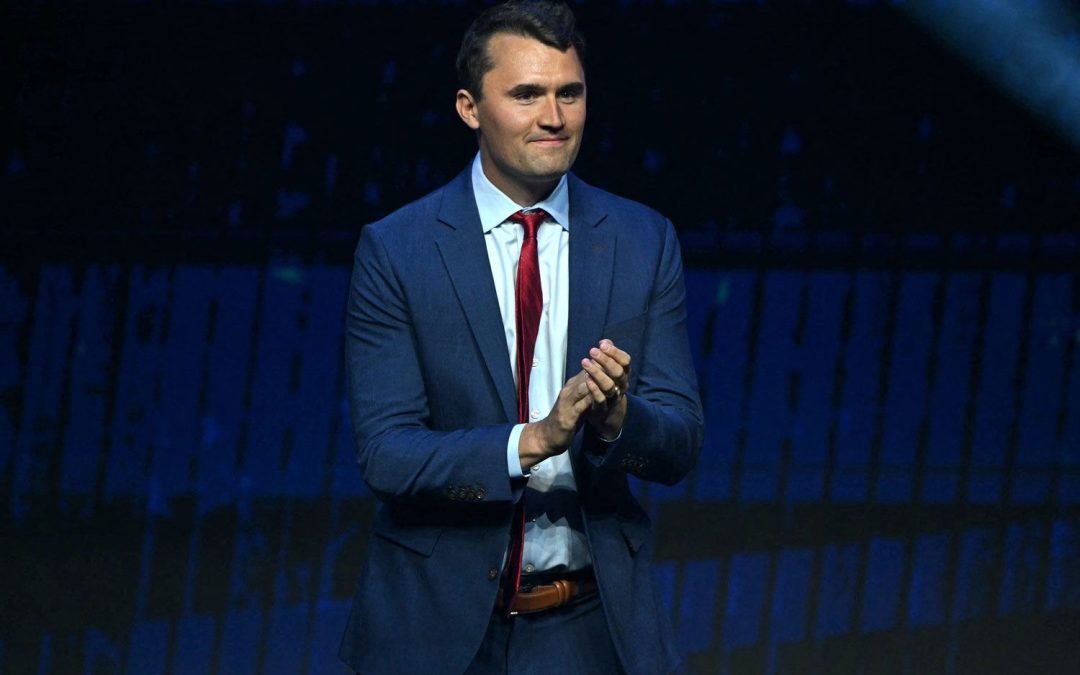
Let’s talk about Charlie Kirk’s hobbies, lifestyle, and personal interests beyond his political and public speaking career
Political figures live in public view where every speech gets scrutinized and every tweet gets analyzed. But what happens when someone like Charlie Kirk steps away from the microphone?
Kirk built Turning Point USA into a major conservative organization before his 30th birthday. He spoke at dozens of events each year, from college campuses to major conferences. Social media knew him as a political commentator with strong opinions and quick responses to current events.
Yet like anyone else, he had interests that extended beyond work. Charlie Kirk’s hobbies, the way he structured his personal time, and the relationships he maintained all paint a picture of someone trying to balance intense public scrutiny with normal human needs.
His personal life revealed patterns that align with his public messaging. Charlie Kirk’s hobbies weren’t random. They connected to the broader philosophy he promotes politically. Understanding these connections helps explain both his appeal to supporters and the criticism he faced from opponents.
Athletic pursuits and physical competition
Kirk played golf regularly, often posting photos from courses across the country during breaks between speaking engagements. Golf served multiple purposes in his life – physical activity, networking opportunity, and a mental break from political battles.
The sport fit his personality and professional needs perfectly. Many important conversations in business and politics happen on golf courses. Kirk used these rounds to build relationships with donors, other conservative leaders, and potential allies. The relaxed setting allowed for deeper discussions than formal meetings typically provide.
Basketball appeared frequently on his social media. He would shoot hoops at hotel gyms during travel and follows both college and professional games closely. March Madness became a temporary obsession, complete with bracket predictions and game analysis that revealed his competitive nature.
The parallels between sports and politics weren’t lost on Kirk. Both required strategy, execution under pressure, and the ability to bounce back from defeats. He often drew these connections in speeches, using athletic metaphors to explain political concepts to younger audiences.
Fitness routines mattered significantly to him. Regular gym sessions appeared in his Instagram stories, showing workout equipment and post-exercise updates. The physical demands of constant travel, long speaking events, and high-stress situations required him to maintain good health.
His approach to fitness reflected broader themes in his messaging about personal responsibility and self-discipline. The consistency required for regular exercise mirrors what he advocated for in other areas of life – career development, financial planning, and civic engagement.
Faith as daily foundation
Christianity shaped Kirk’s personal routine in measurable ways. Church attendance was regular when his travel schedule permitted, and he documented these visits through social media posts that emphasize gratitude and spiritual reflection.
Prayer and Bible reading featured prominently in his morning routines, based on interviews where he discussed daily habits. These weren’t just talking points for conservative audiences – they represented genuine practices that influenced his decision-making process.
Faith integration extends beyond personal devotions into business choices and relationship decisions. Kirk consults biblical principles when evaluating partnerships, hiring decisions at Turning Point USA, and major life transitions. This consistency between private belief and public advocacy strengthened his credibility with religious conservative audiences who valued authentic expression of faith.
Christian communities provided social connections beyond political networks. Kirk participated in Bible studies and prayer groups that offered fellowship separate from his professional identity. These relationships grounded him in communities that know him as more than a public figure.
His theological views lean conservative Protestant, emphasizing personal relationship with Jesus Christ, biblical authority, and traditional moral values. These beliefs showed up consistently in his political positions on social issues, making his faith more than cultural identity – it becomes a practical worldview that guides policy preferences.
Marriage and partnership dynamics
Kirk married Erika Frantzve in 2021 after a relationship that developed partly in public view through social media posts. Their wedding reflected traditional values with a formal ceremony, family involvement, and religious elements that aligned with his public messaging about marriage and family structure.
Their relationship demonstrated partnership while maintaining distinct roles that reflect conservative principles about gender and marriage. Erika supported his career through attendance at events and social media promotion, while maintaining her own interests and professional activities.
Date nights revealed preferences for upscale restaurants, sporting events, and cultural activities that reflect both success and traditional American leisure choices. They frequented steakhouses, attended baseball games, and vacationed at destinations like Florida beaches and mountain resorts rather than international travel.
The couple navigates public attention while protecting relationship privacy. Social media showed curated glimpses of their life together – anniversary celebrations, holiday traditions, and shared activities – without exposing intimate details or conflicts that normal marriages experience.
Their approach to marriage becomes implicit advocacy for the family values Kirk promotes politically. Supporters see successful implementation of traditional relationship principles, while critics examine their choices for perceived inconsistencies with broader messaging about gender roles and family priorities.
Lifestyle choices as a political statement
Kirk’s consumer decisions extended his political activism into daily life. His favorite car choices favored American manufacturers – Ford trucks and Chevrolet cars appeared in his social media posts rather than foreign brands or electric vehicles that might conflict with his energy policy positions.
Clothing preferences stuck to classic American styles – suits from traditional manufacturers, casual wear from companies with conservative reputations, and accessories that avoid controversial brand associations. Even seemingly minor choices like watch brands and shoe manufacturers were evaluated for political implications.
Restaurant selection patterns revealed deliberate support for businesses that aligned with conservative principles. Kirk frequented establishments owned by supporters or companies that avoid progressive political positions. These choices demonstrated a commitment to using economic power to support political allies.
Home design and decoration choices reflected traditional American aesthetics rather than modern trends that might send conflicting cultural messages. Furniture, artwork, and architectural elements emphasized timeless styles over contemporary designs that could appear too progressive for his audience.
Travel and leisure philosophy
Vacation destinations stay within the United States almost exclusively. Charlie Kirk’s hobbies promoted domestic tourism through visiting national parks, historic sites, and American cities rather than international locations. This pattern supported his messaging about American exceptionalism and economic patriotism.
Travel style emphasized comfort and efficiency over luxury display. First-class flights and quality hotels reflected success without appearing excessive to working-class supporters who form much of his audience base. The balance required careful attention to public perception.
Charlie Kirk’s hobbies during travel focused on experiences that connect to American culture and history. These included museum visits, battlefield tours, and local cultural events, which provided both personal enrichment and content for social media posts that reinforced his political themes.
The photos he took while traveling emphasized the natural beauty, historic significance, and cultural achievements of American destinations. These images became subtle propaganda for domestic tourism and national pride that supported broader political messaging.
Social media as an authentic window
Instagram and Twitter offered glimpses into Kirk’s daily reality beyond prepared speeches and formal interviews. Airport photos, hotel room updates, and backstage glimpses showed the unglamorous aspects of constant travel that made him appear more relatable to audiences.
Food photography revealed eating habits that matched his political brand – steakhouses, barbecue restaurants, and traditional American cuisine dominated his posts. Trendy establishments or exotic foods rarely made an appearance, maintaining consistency with his cultural positioning.
Behind-the-scenes content from events showed preparation, interaction with supporters, and moments of fatigue that humanized his public persona. These authentic glimpses built stronger connections with followers who appreciated seeing beyond the polished public presentation.
Response patterns to current events through social media revealed how quickly he processes information and formulated positions. The speed and consistency of these responses demonstrated both political instincts and genuine engagement with news cycles that affected his audience.
Wealth, success, and public perception
Speaking fees, book sales, and media appearances created significant financial success for Kirk. His lifestyle reflected this prosperity through quality purchases and experiences, but he framed this success as the result of American opportunity and personal effort rather than luck or privilege.
Real estate investments and business ventures showed long-term thinking beyond political careers. These activities prepared him for potential transitions while building wealth through traditional economic principles he advocates publicly. Property ownership, stock investments, and business partnerships demonstrated confidence in American markets.
The challenge lay in displaying success without appearing disconnected from working-class supporters who struggle financially. Too much luxury could alienate key audiences, while too little might suggest that his economic message isn’t working for him personally.
Charitable giving and community investment provided ways to demonstrate values while managing wealth responsibly. Kirk supported causes aligned with his political positions, using financial success to advance broader conservative goals rather than just personal comfort.
Integration of public and private values in Charlie Kirk’s hobbies
Every personal choice became a potential political statement for Kirk. Restaurant visits, vacation spots, business partnerships, and even social relationships were evaluated for consistency with public messaging. This integration created authenticity but also constant pressure.
The approach built credibility with supporters who valued leaders practicing what they preach. Seeing consistency between private actions and public positions strengthened trust and demonstrated a genuine commitment to conservative principles rather than opportunistic positioning.
Critics examined his lifestyle choices for perceived contradictions with political messaging. Expensive purchases, exclusive experiences, or relationships with controversial figures became ammunition for opponents who questioned his authenticity or commitment to working-class interests.
This scrutiny affected his decision-making in ways that most people never experience. Simple choices like where to eat dinner or what car to drive carried potential political consequences that require constant consideration of public perception and message consistency.
Charlie Kirk’s hobbies and lifestyle choices revealed someone attempting to live his political beliefs rather than simply promoting them for professional gain. Whether this integration represents admirable consistency or calculated brand management depends largely on your political perspective. But the intentionality behind these choices remains undeniable, making his private life inseparable from his public mission in ways that define modern political leadership.
How Pressfarm can help
For an entrepreneur, your brand management can determine your success or failure. At Pressfarm, we help companies define the right narrative in the media for their brand – either to improve their credibility or resolve a PR crisis. If you are an entrepreneur wondering how to improve your company’s publicity, get in touch with us. We can help you craft and distribute your press releases, develop compelling guest posts and design eye-catching media kits for your brand.
Learn why we are good at what we do from our customer success stories.
