

Use this beginners’ guide to public relations to ace your next PR campaign
For beginners, navigating the world of PR can be overwhelming. That’s where this guide comes in. In this beginner’s guide to public relations, we’ll demystify the world of PR and show you how to leverage its power to your advantage.
Whether you’re a small business owner, an aspiring PR professional, or simply curious about the field, this guide will provide you with the foundational knowledge and practical strategies to kickstart your PR journey. By the end of our guide, you’ll have the tools and confidence to take your PR efforts to the next level and make a lasting impact on your target audience. To ensure that you don’t miss out on the opportunities that PR can bring, we’ll talk about:
1) What is PR?
2) Types of public relations for beginners
3) How PR helps businesses
4) Traditional vs. Digital PR
5) Tools and techniques in public relations for beginners
6) How to measure Public Relations for beginners
What is PR?
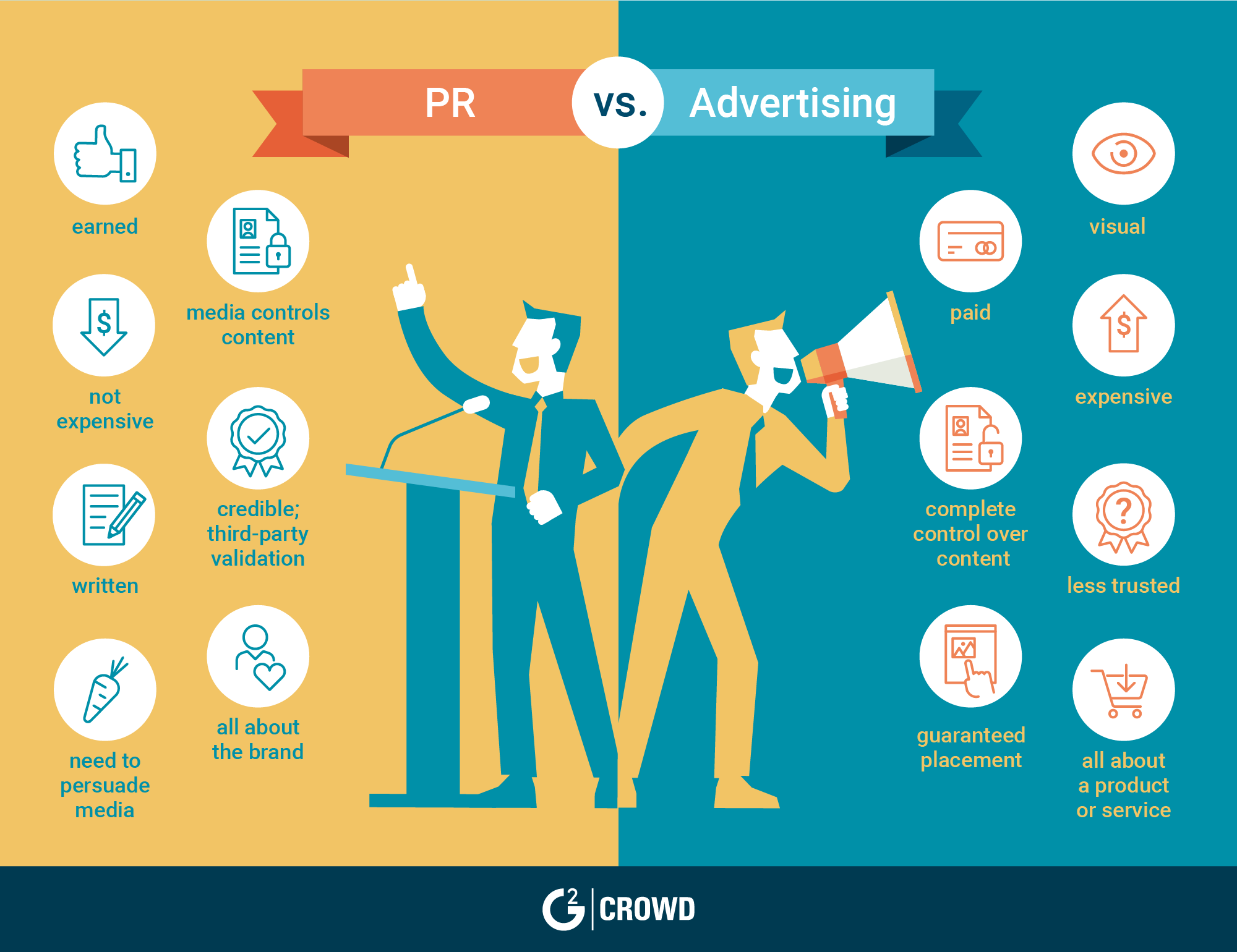
The media broadcasts a company’s narrative to its target audience. Brands have different types of media to help them meet PR goals. These include owned, earned, and paid media. Winning positive earned media is generally the “end game” when companies create their public relations strategy. Regardless of the goal, earned media generates publicity authentically.
Since there are so many aspects to public relations for beginners, it can be challenging to summarize a PR professional’s responsibilities. These experts connect brands with people through storytelling, influence media professionals, and reach a company’s target audience.
Ideally, every brand should have a target audience. As stated previously, one of the responsibilities of a PR specialist is to connect a company to its people. The more active and connected a business is, the more successful it will be.
Reputation management
Reputation management and image-building are central components of PR. This is what a company says about itself, what they do, and what its audiences think about them. When done correctly, a company can build a positive brand image.
Brand storytelling
Storytelling has become a massive part of PR. Rather than just stating facts and sharing a list of monotonous information, companies that can grab attention with an inspiring, captivating story will encourage audiences to connect with them emotionally. A good story needs to not only attract attention but also retain it. Companies also need to create timely and relevant stories. The story should be something that people are interested in, rather than one that will cause them to switch off mentally.
Influencer marketing
Last but not least, influencer marketing is another significant component of PR. Successful PR should inspire a change in behavior and influence opinions. Good PR persuades people to feel a certain way about a brand. Alternatively, it creates a compelling call to action to buy a product or service.
With more audiences holding brands accountable, companies must ensure their actions provide a positive brand image. What differentiates PR from marketing and advertising is that it is earned, not paid for. Whether through traditional or social media a good PR specialist does not rely on paying professionals and influencers to endorse a product or service. Rather, PR is about persuading these people to fall in love with the product or service so that they can offer a genuine endorsement.
Some companies rely on PR professionals to help them fully understand what needs to be achieved to gain media coverage.
PR agencies like Pressfarm help companies of all sizes create quality content like press releases, email pitches, guest posts, and media kits. These help build a memorable brand image among the media and their target audiences. Beyond creating quality content, they distribute content to the appropriate media professionals and audiences. Ultimately, the experts at Pressfarm work to boost brand visibility for clients across different industries by helping them feature in relevant search results across multiple search engines.
Types of public relations for beginners
Before we dive into how to do effective public relations for beginners, we need to understand that there are different aspects of PR and various ways to achieve positive media attention. PR content helps a business to establish credibility and gain traction. It focuses on communication tactics to create and develop relationships between an organization and its public. Beyond that, it also creative, and persuasive communication tactics with media professionals, employees, and other people interested in the business.
1) Media relations

Media relations are focused solely on building mutually beneficial relationships with journalists, media professionals, bloggers, and influencers to generate earned media. The ultimate goal is to establish a good relationship with media organizations and position yourself as a possible content source. Typically, it means coordinating directly with the people responsible for producing the news and features in the mass media.
To qualify as a source for a news story, your story must contain one or more of the following:
- New research
- Launch of new products or services
- Local relevance
- Impressive performance milestones
- A human interest angle.
Having a good working relationship with media professionals is essential for companies to spread key messages to their target audience. This rapport with the media can help a company reach its most desired audiences.
The key to effective media relations is creating compelling content that will draw media professionals in and make them interested in producing organic content to boost visibility for the business. Dealing with the media can present unique challenges for companies because they are the gatekeepers of the news. For this reason, having positive long-term relationships with these professionals is vital for every business.
2) Community relations
Consumer behavior is changing and people are now buying products or services from companies that share similar values. Community relations is an effective branch of public relations. It’s about engaging communities to establish a positive reputation. Generally, PR specialists who engage in community relations help build a positive relationship with the local community on behalf of the company itself.
Companies engage in community relations to generate local support for a project. “Giving something back” can improve a company’s ethical reputation and get people interested in a company’s product or service.
To effectively do community public relations for beginners, companies must understand how their community feels and how best to engage with them. It can be through regular updates, sponsoring events, or donating corporate time or expertise to a charitable event. This is about getting involved in improving the community in an organized, intuitive, enthusiastic, and strategic manner.
Similarly, PR professionals specializing in corporate and social responsibility focus on improving a brand’s reputation by highlighting environmental responsibility and charitable works.
3) Crisis communications
PR professionals responsible for crisis communications aren’t only busy in times of crisis. Managing a crisis with tact takes a lot of consistent planning. Any crisis PR specialist worth their salt will have a crisis management plan ready to overcome whatever obstacle is thrown at a company. This could be a faulty product or a dispute between an executive and public relations on social media. PR specialists must be prepared for anything that could hurt a business’s reputation. Companies can put a positive spin on a crisis by developing a well-thought-out plan and solid relationships with stakeholders and the media.
4) Social media communications
In today’s digital landscape, businesses need a strong online presence to stand out from competitors. Consumers have increasingly been turning to the Internet to do their research before making any purchasing decisions. A social media outreach strategy has become crucial to generating leads, building brand relationships with bloggers and social influencers, and attracting new talent. Companies need to know what content to create. Beyond that, they must also understand the best social media platforms to achieve their PR objectives and goals.
Social media has helped change public relations for beginners by encouraging customer focus, creating a constant news cycle, making PR affordable for small businesses, and establishing greater customer engagement. The rise of social media has forced companies to resolve issues quickly to avoid a PR crisis and improve their business. Secondly, having a 24/7 news cycle has enabled brands to deliver news at any time and know what content is trending and how to respond to it. It allows companies the opportunity to offer their audiences constant updates. Social media also makes PR more affordable for small businesses that need it to manage their online presence. Last but not least, customers can engage with brands directly, thus helping brands to gauge how effective their content is.
5) Employee communications

As known as internal PR, employee relations give employees a positive image of the company they work for. Employees can be a company’s biggest brand ambassadors. For this reason, they must be treated well and kept up to date with the business activities, both internally and externally. This type of PR keeps current employees satisfied, motivated, and loyal. PR activities for employee relations might include organizing events, creating internal newsletters and other communications, and helping managers develop good relationships with their teams.
This type of PR has become one of the most important aspects of any company’s PR strategy. It can also be the most sensitive PR form since it is based less on the image and more on the action. Among their other functions, internal relations strategists counsel employees about policies, course of action, the organization’s responsibility, and their responsibility.
6) Strategic communications
Strategic communications is a broader form of PR. This is where public relations overlap with marketing and advertising in business. Strategic communications is a comprehensive communications plan for any company. Rather than distributing information for marketing, strategic communications are about giving coordinated messages that help a company achieve its objectives. Startups must understand their business priorities and ensure that all communication activity supports these objectives. This form of PR depends on the coordination of all PR efforts to help a company achieve its business objectives.
How PR can help businesses
An effective PR strategy should help expose a business to new audiences. More specifically, it is a way for businesses to communicate with potential customers. A company’s PR efforts enable them to manage how they spread information. This should be a part of the overall branding strategy but focuses more on its reputation and widespread communication.
Public relations has always been one of the most cost-effective marketing strategies. It can be valuable when startups have a limited budget but want to advertise their products or services.
Let us look at how PR can help a business with its sales and overall business strategy.
1) Boosts brand visibility & awareness
A PR marketing strategy helps brands to make current or potential customers aware that the business exists. Companies can build general awareness of their products, services, or brands by creating a consistent PR strategy. It supplements direct marketing and advertising efforts and increases a website’s rank on various search engines.
Unlike traditional PR, digital PR does not have a specific shelf life. This can be both a blessing and a curse. Everything about a company remains visible on search engines forever. In other words, the PR content that a company creates needs to add positive value rather than negative. Businesses can boost their brand image and attract new customers by sharing relevant, newsworthy stories across all channels.
2) Creates long-lasting relationships
Over the past decade, many companies have had to market themselves differently. To stay relevant and open, businesses must focus more on meeting consumers’ needs and adapting to their environment.
Good PR helps brands to capture attention. Positive news coverage about the business can influence customers to choose them over competitors without any media exposure.
However, it is not just about attracting customers anymore; it is also about creating long-lasting relationships and building brand loyalty. Along with many other benefits, good PR is about building trust and delivering value to establish lasting relationships and generate goodwill. While it can be time-consuming to achieve that goal, it is worth it in the long run.
3) Entice investors

Even if a startup is established, it must continue marketing its brand to new potential customers or investors interested in backing the company. A carefully thought-out PR strategy can create positive media coverage, resulting in a better negotiating position with potential investors.
While most companies should already have a PR strategy, there is always room for improvement and modifications to make it more relevant to their audiences and media professionals. To use PR effectively, companies need to:
1) Emphasize the relevance of a product or service
Companies need to create something that sets them apart from their competition. However, this is easier said than done. After all, it is highly likely that something similar already exists on the market. To generate leads and drive sales, companies must clearly describe why consumers should choose their product or service over others.
2) Enhance online presence
More and more consumers are purchasing their products and services online. PR helps companies create a robust online presence that is highly visible to their target audience. Additionally, PR professionals provide businesses with support and guidance to help them market themselves online while always being one step ahead if a crisis occurs.
Companies can enhance their online presence by focusing on digital marketing efforts like search engine optimization (SEO) and email marketing. They should also continue establishing themselves as thought leaders through blogs, videos, social media channels, and other digital content. These are just some tools companies can use to strengthen their brand image and increase profitability.
Traditional vs. Digital PR
The PR landscape has changed drastically due to changes in technology and consumer behavior. While traditional PR still exists, circulation numbers are shrinking as people rely more on the internet and social media platforms to gain their information. Online media outlets and influencers now possess more power than ever. As a result, the PR industry has evolved rapidly over the last decade. Ideally, a combination of both traditional and digital PR should make a company more successful. Brands can combine traditional PR like press releases and email pitches with digital PR tactics to build an efficient PR mix. This approach also provides secondary benefits, including link building via backlinks.
Digital PR helps businesses reach their target customers through high-quality links that provide social proof. This strategy relies on SEO because a well-planned digital PR strategy positively impacts a website’s search engine visibility and ranking.
How does digital public relations for beginners help?
The main focus for companies employing digital PR strategies is publishing articles and securing backlinks from relevant websites and blogs. However, to achieve this objective, brands must start by building positive relationships with people in the press. Besides publishing articles and securing backlinks, companies have also used blogger outreach, influencer marketing, affiliate programs, and other strategies as part of their digital PR strategy.
The public relations industry has been around for a long time. People in this industry adapt to new technologies and trends to stay relevant. The shift towards digital PR combines the limited shelf life of SEO with a longer-term PR approach. A company’s public relations for beginners strategy should:
- Create positive brand awareness,
- Produce and share quality content,
- Create viral campaigns
- Involve social media marketing
- Work with traditional media
While content marketing has existed for a long time, Its importance has increased due to the need to optimize high-quality content with SEO and digital PR.
Link building is one of the many benefits of digital PR and SEO; it helps companies create an original content pitch to online publishers and be a trusted source of information in their industry.
Let us look at some benefits of link-building in digital PR and why companies need to look online to attract potential consumers and retain the attention of current consumers.
1) Better links
When a company invests in high-quality, newsworthy content, more readers will be interested in what they have produced. Some roles of effective digital PR include providing emotional content that a target audience can connect with and writing personalized email pitches that show the company has done the proper research on the journalist.
2) More diverse links
Link building can get a company different types of links, but having a digital strategy for public relations for beginners gives companies the bonus of acquiring higher authority links. Syndication networks then go through a natural process to pick up stories that authoritative publishers have posted. In other words, brands can generate impressive media placements without extra effort.
3) More brand mentions
As a society, we rely heavily on word-of-mouth recommendations. We seek advice and have conversations about the latest trends and other topics. While brand mentions may not directly impact link-building, discussions about a brand can provide value differently.
4) Build more long-term authority
Pitching consistently great content allows companies to position themselves as experts and thought leaders. Digital PR can help a company’s Domain Authority, a logarithmic scale that predicts how well a website will rank on search engines. Publishing content on high-authority websites and gaining backlinks also helps to bolster rankings for targeted keywords. The higher the SERP position, the more traffic will likely visit a company’s site. Domain authority sites give users a clear sign of whether a company is a credible brand.
Tools and techniques in public relations for beginners

1) Story and content plans
As mentioned before, newsworthy stories can make the difference between a successful PR campaign and one that does not get any traction. These stories can boost a brand’s publicity and create a significant impact. For this reason, companies need to provide a constant flow of engaging and relevant stories to build their reputation. Companies also need to develop a content plan for how they want their media efforts to be perceived. Stories about your startup can take time and resources to find, develop, and pitch. For this reason, they must be planned to ensure that deadlines are met and the messaging is relevant to media professionals and their audience.
2) Press releases
A press release is an official announcement that provides information about company news. It is one of the tools which companies can use to earn media coverage. The primary objective of a press release is to build brand awareness and help companies reach their target market effectively through earned media. This can help increase a company’s legitimacy in the market.
When media outlets write about a company, it gives potential customers and investors a chance to see that the company exists in the market for a reason. Another objective of a press release is to gain referral traffic; the more traffic a media outlet has, the higher the potential is for customers to read about a specific brand. Finally, press releases are another great way to increase backlinks through earned media and guest posting, effectively combining PR and SEO.
3) Media pitches
A media pitch is how companies and startups promote information about their products and services to journalists, bloggers, and other media outlets in their industry. The purpose is to get press coverage, brand mentions, and exposure for the business. Media pitching is so important that if a company/startup gets media coverage from the right publications, it can raise awareness and grow.
Creating a successful pitch is not as simple as crafting an attractive email subject line, typing a few sentences, and hitting send. Some key elements to consider when crafting an email pitch include adding value, trying not to be self-promotional, and focusing on building relationships.
Companies need to understand that media outlets want to receive high-quality, relevant pitches. They must have new data or take on a different angle from what journalists know. While media outlets wish to receive email pitches with value, they also do not want to receive mass emails that seem more like spam.
Another thing is that while a pitch should demonstrate value, it should not be too self-promotional. Finally, companies and startups should focus on relationship building instead of just chasing short-term success and virality. For a brand’s stories to be heard and their content to gain exposure online, they must develop relationships rather than looking for “hacks” or quick wins.
4) Influencer PR
With the rise of social media influencers in digital marketing, companies must create an effective social media and influencer PR strategy. This will help them leverage the reach of an existing influencer with a strong following and brand reputation in their particular niche. By doing so, companies can use the influencer’s expertise to increase brand awareness and drive sales.
Influencer PR is a niche in social media PR that utilizes endorsements and mentions from influential individuals. This form of marketing works well because social influencers have already built trust in their community. In other words, their recommendations help companies provide social proof to potential customers. When a brand partners with influencers, they agree to help expose its messaging and content.
A successful influencer PR strategy helps increase brand exposure, build authority, and connect with new audiences.
5) Blogging

Along with social media influencers, bloggers are still influential people that companies should consider reviewing new products. For this reason, they have the power to position a company as a market leader. Blogs are still critical to SEO and building a robust digital presence for a brand. By using strategic keywords, they can drive traffic to websites and boost domain authority.
6) Email marketing
Customers gain their information through their social media channels and media. Email marketing is crucial because it delivers information directly to customers’ inboxes. By curating the company’s news and segmenting it by different audiences, companies can only receive content relevant to each group.
How to measure public relations for beginners
Once a company launches its PR campaign, it can measure the outcomes quantitatively and qualitatively. The data achieved helps them see how effective their PR efforts are in raising awareness.
1) Share of Voice
The share of voice refers to the percentage of all online, print, and broadcast coverage, and conversations about a company or brand they have managed to secure. To correctly measure it, companies and PR professionals should keep track of all media coverage achieved, including cuttings, screenshots, clips of broadcast coverage, and other forms of multimedia so that there is a record of everything.
Knowing a share of voice is not just beneficial for the company internally. It also helps them compare their coverage with their competitors. They can also see what tactics were successful during the campaign and what needs to be changed to achieve better results
2) Tone of Voice
The tone of voice measures how a company presents itself within the media. Through analytics, companies can see whether the coverage they earned was positive or negative. To measure success, they can make a list of keywords or phrases and keep track of how often they appear.
3) Brand Perception
Companies can review their brand’s overall positioning by building qualitative data from their Tone of Voice assessment. They should answer questions of whether there had been a change in how target audiences viewed their brand, and how their key messages were received. It’s also important to know what responses they got, whether they were believed, and if they received any adverse reactions. They can measure changes in perception and attitudes towards the brand.
4) Digital Presence
PR greatly influences consumer behavior. Its objective is to build trust and long-lasting loyalty. Businesses must understand that not all PR success will lead to immediate consumer action. Consumers generally do not take immediate action. Even so, once they have engaged with quality content from a company, the brand will remain top of mind and the consumer will eventually purchase. Focus on a more extended period when measuring consumer action.
Ultimately, It is essential to check on the business performance every once in a while. This needs to be measured and tracked so that companies know exactly what is happening. It may not have been easy in the past, but it is pretty simple to figure everything out in the digital age. You can get a good idea of how well your brand is performing by measuring key output metrics, or measurements of your earned media wins. These key output metrics include:
- Brand mentions
- The share of voice,
- Backlinks,
- Social sentiments
- End audience reach
Conclusion
Regardless of how a company structures its PR efforts, it is essential in business marketing strategy. Without PR, brands cannot reach the right audiences and get help from media professionals and influencers to get the word out about the brand. PR content should reflect brand values, and provide factual information. This information should benefit their audience and be created in a compelling way to attract and retain the attention of their audience.
Imagine how amazing it would be to let someone else worry about generating publicity for your startup while you focus on perfecting your product. With a team of professionals with experience working with brands from different industries, Pressfarm can do that for you! Pressfarm provides personalized public relations services that will help you tell a memorable brand story. This brand story design captures media attention and inspires your target audience. We have experience writing press releases that will win journalists over and feature articles that will excite your target audience.
We’re also skilled at designing media kits that showcase your brand’s unique personality. We’re committed to helping you find the perfect journalists to cover your story. For this reason, we give all our clients access to our media database of over 1 million journalists across different niches. Check out our packages and let us help you tell a brand story that moves your target audience and inspires action.
Learn why we are good at what we do from our customer success stories.
