

Owning a truck is not just a mode of transportation; it’s an investment in a tool that, for many, is integral to their livelihood or way of life. However, like any investment, a truck demands attention and care to ensure its longevity and reliability. Routine maintenance not only safeguards your vehicle against untimely breakdowns but also optimizes its performance, fuel efficiency, and safety. In this guide, we will share essential tips and strategies to help you maximize your truck’s lifespan, ensuring it serves you faithfully for many miles to come. Whether you’re a seasoned truck owner or a newbie on the road, these insights will empower you to take proactive steps in caring for your vehicle.
Regular Oil Changes: Your Truck’s Lifeline
One of the most critical maintenance tasks for any truck is regular oil changes. Engine oil serves as the lifeblood of your truck, lubricating moving parts, reducing friction, and helping to dissipate heat. Over time, oil breaks down and loses its effectiveness, which can lead to increased wear and tear on the engine components, potentially resulting in severe damage. Experts recommend changing the oil every 5,000 to 7,000 miles, although this interval can vary based on the specific model of your truck, its age, and how you use it. Adhering to a strict oil change schedule will not only prolong the life of your engine but also contribute to smoother, more efficient performance on the road.
Sourcing Quality Truck Parts: A Key to Durability
When it comes to maintaining and replacing parts on your truck, opting for high-quality components is crucial for ensuring long-term reliability and performance. For those seeking to maintain their vehicles with top-tier components, exploring options on websites like ShorelineTruckParts.com can be an effective way to find the parts you need. Inferior parts may offer a short-term cost-saving but can lead to more frequent failures and potentially compromise your truck’s integrity. Whether you’re shopping for brakes, tires, engine components, or electrical systems, always choose reputable brands and suppliers. Additionally, be mindful of the compatibility of the parts with your specific truck model to avoid any mismatch issues. Investing in quality parts is an investment in your truck’s future, helping to minimize downtime and repair costs over its lifespan.
Tire Maintenance: Ensuring Safety and Efficiency
Proper tire maintenance is essential for the safety and efficiency of your truck. For those managing a fleet of company vehicles, adhering to a stringent maintenance schedule is not just about vehicle longevity but also about protecting your business investment and ensuring the safety of your employees on the road. It is crucial to prioritize the regular inspection of tire pressure, alignments, and rotations as these aspects play a significant role in enhancing your truck’s performance and optimizing fuel consumption. Neglecting tire care, such as driving with under-inflated tires, can result in uneven wear patterns, decreased fuel efficiency, and potential tire failure during your travels. Thus, it is imperative to adhere to the manufacturer’s recommended tire pressure levels and implement a consistent rotation schedule based on your truck’s manual guidelines. By adopting these practices, not only can you prolong the lifespan of your tires, but you can also elevate your vehicle’s handling capabilities and overall stability when on the road.
Keeping the Battery in Top Condition
The battery serves as the core component of your truck’s electrical system, supplying power to essential functions ranging from the ignition system to the headlights. Conducting routine battery checks is vital to prevent unexpected failures, particularly when navigating through extreme weather conditions. Regular maintenance tasks, such as ensuring the cleanliness of battery terminals and addressing any signs of corrosion, are essential practices for sustaining battery health. Additionally, considering a battery replacement every three to five years, depending on your driving habits and climate, can ensure consistent starting performance and reduce the risk of being stranded due to a depleted battery.
Fluid Checks Beyond Engine Oil
In addition to monitoring engine oil levels, it is equally important to oversee the condition of various other fluids that are integral to your truck’s operations. These fluids encompass transmission fluid, brake fluid, coolant, and power steering fluid, each playing a crucial role in maintaining your truck’s optimal functionality. Regularly inspecting these fluids, adhering to recommended levels, and adhering to manufacturer-suggested intervals for fluid changes are critical steps in preserving your truck’s overall well-being and performance. Overlooking the maintenance of these fluids can result in detrimental consequences such as overheating, transmission malfunctions, and costly repairs that could have been prevented through proactive fluid management.
Regular Brake Inspections
Your truck’s braking system is fundamentally crucial for ensuring your safety while on the road. Implementing routine brake inspections is a proactive measure to detect signs of wear and tear before they escalate into major issues. Pay close attention to any abnormal noises during braking, be vigilant for changes in braking performance, and prioritize annual professional inspections to uphold your braking system’s reliability. Timely replacement of brake pads and periodic evaluation of brake fluid levels are fundamental practices that can avert potential accidents and guarantee your truck’s efficient braking capabilities whenever necessary.
Engine and Air Filter Maintenance
Both the engine and cabin air filters significantly influence the longevity of your truck and the comfort of its occupants. A congested engine air filter can impede fuel efficiency and engine performance, while a dirty cabin air filter can compromise the air quality within your vehicle. Regular inspection and replacement of these filters in accordance with your truck manufacturer’s specifications are essential for optimizing airflow and engine efficiency. By adhering to a consistent filter maintenance routine, you can enhance your engine’s health and elevate the overall driving experience for you and your passengers.
Adhering to a Preventive Maintenance Schedule
Finally, one of the most effective strategies to maximize your truck’s lifespan is adhering to a preventive maintenance schedule. This includes not only regular oil changes and tire maintenance but also systematic inspections of all critical systems and components. By catching potential issues early on and addressing them promptly, you can avoid major repairs and extend the life of your truck. Many truck manufacturers provide a detailed maintenance schedule in the owner’s manual; following it closely is key to keeping your truck running reliably for years to come.
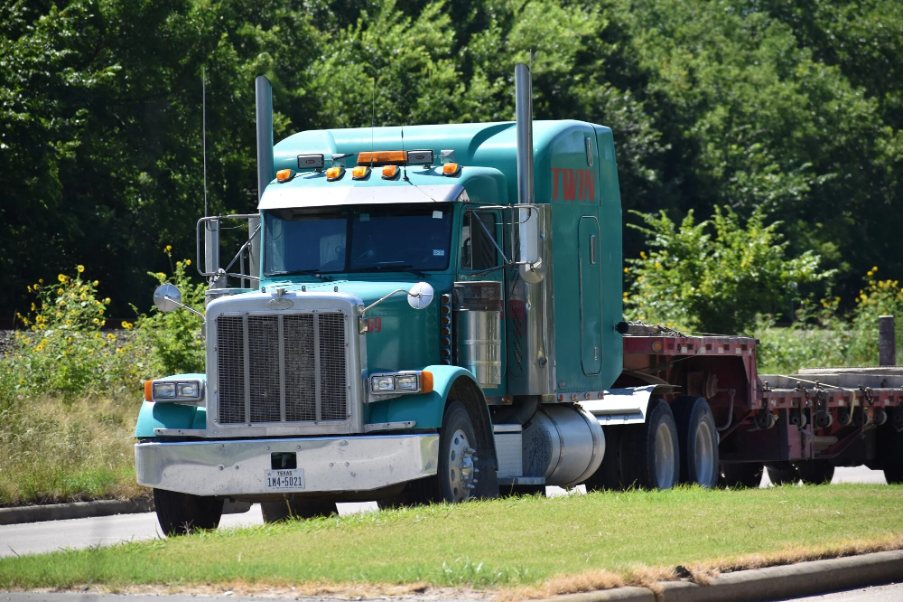
Ensuring the longevity of your truck involves a commitment to regular maintenance and preventive care. By following the comprehensive tips and strategies outlined in this guide, from prioritizing regular oil changes to adhering to a preventive maintenance schedule, you can significantly enhance the lifespan and performance of your truck. Remember, your truck is more than just a vehicle; it’s an investment in your livelihood and lifestyle. Taking proactive steps to maintain your truck not only safeguards this investment but also ensures that it remains a reliable and efficient partner on the road for many miles to come. Whether you’re a seasoned owner or new to truck ownership, integrating these maintenance practices into your routine will help keep your truck running smoothly, safely, and efficiently, ensuring it continues to serve your needs for the long haul.
