

One of the most important buyer requirements in modern eCommerce is delivery monitoring. When a consumer puts an online order, they expect to be able to track the status of their package at all times. As a result, when you add a delivery monitoring system into your online store you make an essential step to your competitiveness. So, if you have an online store, you must understand how to incorporate shipment tracking into it. Also, which technologies to use to provide a seamless and transparent delivery experience.
Right Solution for Delivery Tracking. How to Choose
Before integrating shipment tracking APIs into your online store, it is important to understand that a delivery system is much more than just transporting goods. It includes:
- Delivery tracking system,
- Analytics,
- Customer communication,
- Process automation.
One of the main tasks of a business is to make logistics as simple, transparent, and reliable as possible for the buyer. This is where logistics API integration comes in handy. It allows you to do the following in real time:
- Transmit information about the status of an order and the location of a parcel,
- Provide customers with updates.
Choosing the right solution for API tracking can significantly impact the efficiency of your logistics. Therefore, it is crucial to know about tools that help implement such technologies quickly and easily. One such tool is the Packy platform, which specializes in parcel tracking and delivery process automation. With PackyApp, the customer has complete transparency of the shipment. If you are looking for a flexible solution for tracking deliveries, then familiarizing yourself with the functionality of https://packyapp.com/ will allow you to understand how you can improve the user experience and optimize logistics processes. The software integrates with over 800 delivery services and uses real-time data. It can be a universal tool for those who want to improve ecommerce order tracking without significant time and resource costs.
Choosing the Right API for Tracking
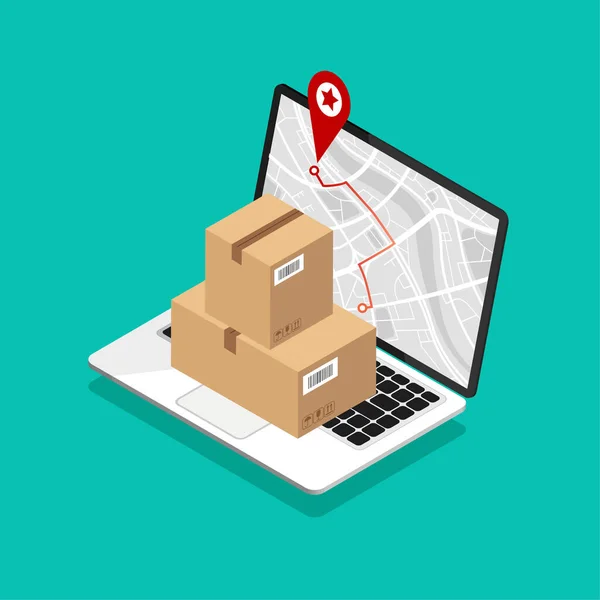
There are many options for shipment tracking software, but not every solution is equally well suited to your business model. When choosing a shipping API integration, consider the following criteria.
- Scalability.
If your store is growing, the API should be easy to scale and handle a large volume of requests.
- Support for major carriers.
Make sure the API supports the largest carriers in your regions.
- Availability of a tracking page.
Many customers expect to see a tracking page. The one where they can track the status of their order without having to contact customer support.
- Flexibility and customization.
The ability to customize delivery events is a big plus.
- Access to analytics.
Parcel tracking software with the ability to view reports, delivery times, and delays will be an added benefit for operational management.
Technical integration
Integrating a shipment tracking API requires the involvement of a technical team or access to a developer. Most modern solutions have a RESTful API. This makes it easy to connect them to a CMS or a custom-built online store. The following are some of the most common methods.
- Webhooks
For notifications about delivery status changes.
- Token-based authentication
For secure data exchange.
- JSON format
As a standard for data transfer.
If your store is built on Shopify, WooCommerce, or Magento, you may use ready-made plugins to simplify shipping API integration. However, some tweaking may still be necessary.
Customer Experience Improvement
When customers can track ecommerce orders in a convenient way, it significantly reduces support workload and increases loyalty. So, give your customers a sense of control and reliability by providing automatic email or SMS notifications and a tracking page that can be opened with a single click. The vast majority of online store users expect to be able to track their orders in real time.
How do delivery companies track packages? Thanks to the use of:
- Unique tracking numbers,
- Barcodes,
- Scanners at transfer points,
- Interaction with a delivery tracking system, which updates the order status with every movement of the parcel.
These systems are automated. So the data is transferred directly to the shipment tracking software or via API to your store’s system.
The Most Common Mistakes
- Lack of two-way communication.
The customer cannot respond to changes. For instance, redirect the delivery or choose a different time.
- Integration of only one carrier.
This limits logistics flexibility.
- Failure to update statuses in a timely manner.
This creates a feeling of distrust.
- Lack of a unique tracking page.
The customer is redirected to an external resource, losing contact with your brand.
How to Avoid Them
A high-quality logistics API integration will help you avoid these mistakes, namely:
- With customizable events,
- With an adaptive tracking page,
- Centralized parcel tracking software.
Conclusion
Integrating parcel tracking into your online store will be a strategic step. It will improve logistics efficiency and build trust with your customers. Using modern solutions, you can build a convenient, transparent, and reliable delivery system. The one that meets the expectations of today’s shoppers. Modern tools allow you not only to track orders, but also to automate key processes. And at the same time, to gain valuable analytics for your business growth. There is a time when speed and transparency are crucial. That is why integrating ecommerce order tracking is your beneficial step toward improving the customer experience. So, implement a tracking page and work with shipment tracking software to rest assured that your customers will remain loyal to you.
