

In this comprehensive influencer marketing guide, we’ll provide you with the latest insights and strategies to help you navigate the ever-evolving realm of influencer marketing.
In the world of digital marketing, influencer marketing has emerged as a powerful tool for successful branding. As such, brands must understand how to effectively leverage influencer marketing to stand out in a crowded marketplace.
Whether you’re a small business looking to build brand awareness or a global corporation aiming to increase your online presence, this guide is for you. Discover how to identify the right influencers for your brand, create impactful content collaborations, and measure the ROI of your influencer marketing campaigns. Plus, we’ll reveal the emerging trends and best practices that will shape influencer marketing now and in the future. Stay ahead of the curve and ensure your brand remains relevant and competitive in the digital landscape.
What is influencer marketing?
Influencer marketing involves collaborating with media personalities who have built a strong brand reputation in their particular niche to support your brand or endorse your product. Some brands even co-create content with their influencer partners. The purpose of influencer marketing is to increase brand awareness and drive sales.
This type of marketing has become more popular among businesses. Research has shown that traditional advertising is becoming less effective in attracting leads and customers. Influencer marketing works more effectively than traditional marketing because it uses tactics like word-of-mouth marketing and social proof, which are critical parts of any successful marketing strategy.
Influencer marketing is unique because brands have to meet the needs of their influencer partners and those of their target audience. To do this, brands must respect and build organic influencer relationships. Brands can give influencers early access to the upcoming product launch, or invite the influencer to visit the company in person.
Brands need to be strategic when crafting their brand message. An influencer aims to promote a positive image of the brand they are partnering with. Be that as it may, sometimes your message can be taken out of context and turned into something negative.
What influencer marketing is not
Influencer marketing is not just about finding someone with a huge following and offering them money to say good things about you. Influencers spend time building up their brands and getting earned media. They generally have the patience to succeed on social media and are quite protective of their reputations because people trust them. Contrary to popular belief, influencers aren’t in it just for the money.
It is not about quick results. Much like other forms of marketing, influencer marketing requires a slow and steady approach. It is about demonstrating your authority, credibility, and thought leadership within your industry. The whole point of marketing is to acquire followers who are loyal and engaged. Many think joining forces with an influencer is the easy way out because they already have the hearts and minds of their followers. Additionally, businesses focusing on brand asset management ensure that influencer collaborations align with their brand identity, messaging, and long-term growth, rather than short-lived promotions.
What does not work
Understand that you cannot generalize your approach because influencers aren’t the same. Much like pitching to media outlets, tailor your approach to specific influencers.
Do not only consider the popularity of the influencer. Your goal is to drive a particular action from your target audience, so it would be unwise to assume that people with the most followers are influencers of your target market. Rather, evaluate each influencer’s engagement with their audience to understand how they will relate to your audience.
Why is influencer marketing so powerful?
As the name goes, influencer marketing is:
- Influential
- Engaging
- Trendy
- Profitable
1) It is influential
Influencer marketing enables brands to leverage the power of word-of-mouth to generate more conversions than traditional marketing. Companies use Influencer marketing because influencers are highly trusted and respected by their followers. They’re cool, hip, and powerful thought leaders in their community. In addition, they utilize social media to their advantage, giving them a wide reach and large audience.
6) Finalize campaign expectations with the influencer
Remember that the influencer may already have their way of working. So, discuss the expectations from the collaboration.
7) Reward your influencer
Influencers do not work for free. You need to discuss the form of payment when you finalize the campaign. There are several ways you can reward an influencer:
- Money: payment before or after the content is created and shared
- Swag: clothes, accessories, product samples, etc
- Free products
- Access to discount codes and coupons
- Promotion on your website, blog, and social media platforms
8) Measure your campaign results
Measure the results you obtain through your campaign to determine its marketing effectiveness. This is how you figure out the level of success you have had reaching your market using influencers. Think back to the SMART goals you set when you started your campaign and see if you achieved your objectives.
Things to measure include:
- Engagement: Likes, shares, comments, Retweets, Mentions, Direct Messages, and Reposts on social media, blogs, and forums.
- Reach: How many people see the content your influencer is sharing about your brand?
- Resonance: The actions completed by your audience members after they consume and interact with the influencer’s content involving your brand
- Brand awareness: Quantitative brand awareness; direct traffic and social engagement and qualitative; social listening and awareness surveys
- Clicks: Number of clicks on the content shared by your influencer
- Conversions: The number of leads who become customers
- Return on investment: Calculate ROI by dividing the return by the cost of influencer marketing investment
- Follower count: Track the increase and decrease of your social media followers over time to see whether the influencer is helping or hindering you
Successful influencer marketing campaigns
1) Celebrity Influencer: Nespresso and George Clooney

Nespresso brought George Clooney on for their Cup Above campaign because he is a globally-recognized celebrity. He also fits their sophisticated and elegant brand image. They now have print ads, digital ads, social media posts, and television commercials starring him.
2) Social media Influencer: Turkish Airlines and Jerome Jarre

Anyone who has Instagram or Snapchat knows about Jerome Jarre. He partnered with Turkish Airlines, which happens to be the only international airline flying to Somalia to bring humanitarian aid to the people there. He planned to fill a plane full of food and water to help the cause.
Within the first few days, his post was reposted 83,000+ times and gained 58,000+ likes on Instagram. He also had the help of his influencer friends and celebrities to raise 1 million dollars in just 24 hours.
3) Blog Influencers: Bigelow Tea and Ashley from Cherished Bliss
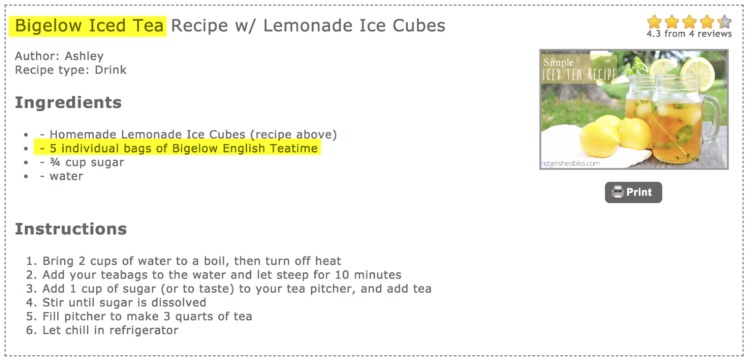
Bigelow planned to retain customers and hold their position in the tea market. They decided to differentiate and adapt to the times so they partnered with lifestyle bloggers like Ashley from Cherished Bliss. Her blog post posted them to the top of the Google search chain when people looked them up using the right keywords.
Conclusion:
Influencer marketing helps brands to stay relevant in the market. Even so, this type of marketing requires the right strategy. Work on creating relationships with influencers and ensure that you make it worthwhile for them to promote your product and service.
If you want to create content that influencers can work with, consider partnering with Pressfarm. Armed with a team of PR specialists, expert writers, and certified designers, Pressfarm can create professional press releases, winning guest posts, and eye-catching media kits for your brand.
In addition, the team at Pressfarm has developed a content distribution strategy that has proven to work for hundreds of brands. By submitting your content to the right media outlets and startup directories, Pressfarm can boost your online visibility and ensure your brand ranks in relevant search results across search engines.
Moreover, with custom media lists and a database of over 1 million journalists across different industries, you can connect with the best journalists in your niche. If you need help creating a brand appealing to influencers and your target audience, then one of Pressfarm’s packages might be just the agency for you.
2) It is engaging and social
By working with an influencer, brands can engage indirectly with their audience. Nowadays, people don’t expect brands to sell directly to them anymore. They want brands to engage with them, entertain them, and inform them instead. This is where influencers come in because they entertain and provide high-value content.
3) It is trendy
You have heard of “Keeping Up with the Joneses,” right? Shows like these are popular because audiences get invited into the everyday lives of influencers who they admire. Ultimately, the audiences who watch these shows want to mimic the influencer’s life as much as possible.
4) It is profitable
More than 90% of marketers believe the results from influencer marketing are better than other forms of marketing. For this reason, brands allocate more than half their marketing budget to influencer marketing. Working with influencers isn’t cheap, but the gains outweigh the costs.
Types of influencers
Figure out the type of influencers you want to promote your brand. Here are the different types of influencers you can engage with while implementing this influencer marketing guide:
- Micro-influencers
- Celebrity Influencer
- Blog Influencer
- Social Media Influencer
- Key Opinion Leaders
1) Micro-influencers
These influencers have a relatively modest following within their niche. They create relevant content for their audience and communicate with them through various platforms. Having a smaller audience allows them to bond with their followers. Working with them is more appealing for businesses trying to develop personal relationships with their target audience.
How to work with them
Due to their manageable number of followers, micro-influencers can engage with your target audience. After choosing the right micro-influencer, ask them to write a post about your service, share a review, or post a photo on Instagram with your product. After that, they can talk about their experience with your product or direct audience members to your website.
2) Celebrity influencers
Celebrity influencers generally have a large following and are known across many industries. They are widely recognized and have the potential to be very successful in influencing your target audience. Even if their fans don’t overlap with your target audience, having them promote and use your product or service is a powerful form of social proof.
How to work with them
Celebrities are a bit harder to engage with, but there are many ways to work with them. Start by focusing on social media, print or online ads, TV commercials, blogs, etc.
From there, depending on your budget, you can ask them to pose for pictures promoting your product, explain why their audience would love it, and provide coupons and discount codes. You can even sponsor an event that they are hosting or attending.
3) Blog influencers
They already have established blogs and have plenty of subscribers and readers. Their influence and reach set them apart from other bloggers and they can promote your product and service through their websites and writing.
How to work with them
Start by writing a guest post for them on their blog. You can ask to be mentioned in one of their posts or sponsor a post on the influencer’s blog and provide images of products for them to share.
4) Social media influencers
These influencers are the ones we know through their social media platforms. Thousands and even millions of people follow them. They share content on health, workouts, cars, diet, travel, etc.
How to work with them
As with other influencers, you should find the ones who already have an established image on social media platforms. These people can work with your brand to create content that will complement your products or services. Once you’ve settled on who you want to work with, determine the type of content that you want them to promote.
If an influencer is on Instagram, you can get them to post a picture with your product and tag your social account. For Facebook, ask them to do a live unboxing video. The same concept applies to X and YouTube. You can even get them to host a contest or giveaway of your products.
5) Key opinion leaders
They are trusted contributors in their industries because of their expert knowledge. They are a great option to work with because their followers are invested in their subjects.
How to work with them
You can find these influencers through social media or academic platforms like journals. Ask them to give expert advice about your product and mention you in their column, share branded content, or pose with your product.
How to create an influencer marketing strategy
To create an influencer marketing strategy, consider the following:
- Determine your campaign goals
- Define your campaign audience
- Set your budget and choose your influencer type
- Choose your influencer and review their work
- Develop campaign messaging for your influencer
- Finalize campaign expectations with your influencer
- Reward your influencer
- Measure your results
1) Determine your campaign goals
As with any other marketing strategy, it is important to create achievable goals to measure the success of your campaign. When you are working to develop your SMART goals, there are 3 things that you need to keep in mind:
-
Reach
This is the ability to deliver content to your audience through an influencer. How many social media users will see the influencer posts about your product?
-
Relevance
This is the level of connection that your audience feels to your brand, product, or service because of the work done by the influencer. If your audience sees someone they love and admire likes and uses your product, they will develop a strong connection.
-
Resonance
Resonance is the ability to drive audience members to a specific action because of an influencer’s content. It helps you increase your follower count, drive traffic to your site, and boost conversions.
Incorporating a Twitter Wall during your campaign can enhance these goals by aggregating and displaying real-time tweets and interactions related to your influencer collaborations.
2) Define your campaign audience
Make sure you can reach your target audience through this influencer. Develop a buyer persona to identify the exact type of customer you are targeting, choose the right influencer, and develop content that will appeal to them.
3) Set your budget and choose your influencer type
Consider your budget because this will determine which influencers you can afford to work with. If you are a startup with a low budget, consider working with a micro-influencer. Once you’ve been in the market for a while, you can engage an influencer with more reach.
4) Choose your influencer and review his or her work
Ask yourself and the influencer these questions to determine their suitability for your brand:
- Do they and their lifestyle fit your brand image?
- Have they worked with any of your competitors?
- Who is the influencer’s current audience?
- Is your target audience active on the platform/channel used by the influencer?
- Does working with the influencer make sense for your budget?
- Have they used any of your products or services before?
- Do they have the right personality?
- What will the influencer expect of you?
5) Develop your campaign messaging for your influencer
After you have chosen your influencer, start clueing them into your campaign and figure out what content your influencer should and should not publish. Share your brand guidelines so that they can remain on-brand with their content. They represent your brand and business, so make sure they have the tools to do so.
Determine whether the influencer will be creating content for your campaign or whether you will be providing the content for them to post.
6) Finalize campaign expectations with the influencer
Remember that the influencer may already have their way of working. So, discuss the expectations from the collaboration.
7) Reward your influencer
Influencers do not work for free. You need to discuss the form of payment when you finalize the campaign. There are several ways you can reward an influencer:
- Money: payment before or after the content is created and shared
- Swag: clothes, accessories, product samples, etc
- Free products
- Access to discount codes and coupons
- Promotion on your website, blog, and social media platforms
8) Measure your campaign results
Measure the results you obtain through your campaign to determine its marketing effectiveness. This is how you figure out the level of success you have had reaching your market using influencers. Think back to the SMART goals you set when you started your campaign and see if you achieved your objectives.
Things to measure include:
- Engagement: Likes, shares, comments, Retweets, Mentions, Direct Messages, and Reposts on social media, blogs, and forums.
- Reach: How many people see the content your influencer is sharing about your brand?
- Resonance: The actions completed by your audience members after they consume and interact with the influencer’s content involving your brand
- Brand awareness: Quantitative brand awareness; direct traffic and social engagement and qualitative; social listening and awareness surveys
- Clicks: Number of clicks on the content shared by your influencer
- Conversions: The number of leads who become customers
- Return on investment: Calculate ROI by dividing the return by the cost of influencer marketing investment
- Follower count: Track the increase and decrease of your social media followers over time to see whether the influencer is helping or hindering you
Successful influencer marketing campaigns
1) Celebrity Influencer: Nespresso and George Clooney
Nespresso brought George Clooney on for their Cup Above campaign because he is a globally-recognized celebrity. He also fits their sophisticated and elegant brand image. They now have print ads, digital ads, social media posts, and television commercials starring him.
2) Social media Influencer: Turkish Airlines and Jerome Jarre
Anyone who has Instagram or Snapchat knows about Jerome Jarre. He partnered with Turkish Airlines, which happens to be the only international airline flying to Somalia to bring humanitarian aid to the people there. He planned to fill a plane full of food and water to help the cause.
Within the first few days, his post was reposted 83,000+ times and gained 58,000+ likes on Instagram. He also had the help of his influencer friends and celebrities to raise 1 million dollars in just 24 hours.
3) Blog Influencers: Bigelow Tea and Ashley from Cherished Bliss
Bigelow planned to retain customers and hold their position in the tea market. They decided to differentiate and adapt to the times so they partnered with lifestyle bloggers like Ashley from Cherished Bliss. Her blog post posted them to the top of the Google search chain when people looked them up using the right keywords.
Conclusion:
Influencer marketing helps brands to stay relevant in the market. Even so, this type of marketing requires the right strategy. Work on creating relationships with influencers and ensure that you make it worthwhile for them to promote your product and service.
If you want to create content that influencers can work with, consider partnering with Pressfarm. Armed with a team of PR specialists, expert writers, and certified designers, Pressfarm can create professional press releases, winning guest posts, and eye-catching media kits for your brand.
In addition, the team at Pressfarm has developed a content distribution strategy that has proven to work for hundreds of brands. By submitting your content to the right media outlets and startup directories, Pressfarm can boost your online visibility and ensure your brand ranks in relevant search results across search engines.
Moreover, with custom media lists and a database of over 1 million journalists across different industries, you can connect with the best journalists in your niche. If you need help creating a brand appealing to influencers and your target audience, then one of Pressfarm’s packages might be just the agency for you.
