

If you want to handle a PR crisis like a pro, then it’s crucial to be prepared and approach the situation strategically. This article will discuss five essential rules to help you navigate your next PR crisis smoothly. From maintaining open and transparent communication to taking swift action, these rules will guide you in handling the situation confidently and professionally.
No matter the nature or scale of the crisis, these rules will empower you to respond effectively, protect your brand’s image, and regain the trust of your audience. By following these guidelines, you can turn a PR crisis into an opportunity for growth and show your customers, stakeholders, and competitors that you have what it takes to handle adversity like a true professional. So, let’s dive in and learn how to tackle your next PR crisis head-on.
While risk and crisis management requires an assessment of potential threats, crisis management requires solutions after an event. Crisis management is about having the skills and techniques required to identify, assess, understand, and cope with the situation as quickly and as effectively as possible.
The role of PR in crisis management
Social media’s widespread accessibility presents brands with challenges when navigating backlash. One key factor is the perpetual pressure to innovate and engage consumers with fresh ideas and trends. Companies must continuously adjust their strategies to meet the evolving needs and preferences of their target audience. However, without meticulous planning and execution, there’s a risk of overlooking critical details that could potentially escalate into a full-blown PR crisis.
The rapid dissemination of news and information across social platforms exacerbates this risk. Stories gain momentum swiftly, and brands may find themselves thrust into the spotlight of controversy if they fail to respond effectively and promptly. Therefore, maintaining vigilance and strategic foresight are essential for brands to navigate the complexities of online reputation management successfully.
Whether it is a data breach, an executive scandal, a negative review, failed event, or a poorly planned marketing campaign, every company needs to be prepared for a potential crisis. In order for a company to protect its reputation, the brand needs to develop public relations solutions to manage its credibility. Whether they decide to engage in their internal PR department or hire external PR professionals, it is essential to have mechanisms set up to manage a crisis properly. The roles that public relations play in crisis management can include research, immediate response, and recovery of a brand’s reputation.
1) Research
Ideally, conduct research before a PR crisis hits. If caught unprepared, start researching immediately to prevent further issues. Research should analyze mediums and platforms for concerns. Understand audience engagement and potential backlash. It’s time-consuming, but PR professionals like Pressfarm offer advice, tips, and assistance.
Pressfarm is a PR agency specializing in creating email pitches, press releases, and building media relationships. Clients access a vast PR database of over 1 million journalists via a filter-based search engine to target ideal media matches. Pressfarm also offers online press release distribution for increased visibility in search results.
During crises, Pressfarm’s experts use strategic keywords and campaigns to reshape public perception effectively. They align strategies to earn media coverage, mitigating issues arising from public crises.
2) Immediate response
There is no point in understanding a problem without trying to find an effective solution. How a brand responds to a PR crisis is what can make or break its reputation. By having a proper PR crisis strategy, brands should have a better idea of what information needs to be presented. This increases the chances of salvaging their image.
3) Recovery
Once the initial response to the crisis has been sent out, the next step in a PR crisis strategy is to follow up on how well the research and immediate response worked to restore a brand’s image. By understanding every aspect of your past and future, you can solve your problems and maintain your new positive reputation in the future.
How to avoid a PR crisis
Public relations crises can happen to an organization of any size. Nevertheless, certain things can help you prepare for a crisis in advance, or even avoid the crisis entirely.
1) Have a plan for dealing with the media
Talking to media professionals without a proper, well-thought-out plan can hurt your brand reputation more than you can imagine. When a crisis happens, the first decision a business needs to make is whether it will agree to an interview about the issue. However, even if you decide not to take interview requests, the story will run regardless. Choosing to comment on the situation gives your company control over how its message is being presented. It is possible that not commenting on a story will leave journalists and media outlets an avenue to take the situation out of context. This will only further hurt your brand image.
The most important thing about crisis management is having a clear plan for fixing the situation, having a simple message, and staying on point with the end goal of improving a reputation.
2) Determine who will speak
The responsibility of this individual is tremendous. This is because they are the ones who will serve as the spokesperson for the company. Before developing a relationship or doing any damage control, businesses need to choose the right person for the job. This should be someone who knows the whole story and can present a positive image of the brand. Furthermore, even if one person has been chosen to represent the company, it is important that all employees know what is happening. This way, they can also communicate the message in case it becomes a larger problem for the entire company.
3) Own up to the crisis
We are all human; we will make mistakes one way or another. However, rather than running and hiding, companies should own up to what is happening. This is a good idea because it gives audiences and media outlets a chance to see that you care about the needs and wants of your consumers. This can help you to build trust and establish yourself as a thought leader in your industry. Covering up a situation or hiding behind screens will always make matters worse rather than better.
4) Don’t do anything to make it worse
The saying “don’t add fuel to the fire” exists for a reason. Whatever crisis your company is going through, you must do nothing to add to your current problem or create a new one. Everything you do needs to show that you are taking the issue seriously, especially when thrown in the spotlight.
5) Consider hiring professional help
As mentioned previously, PR professionals are there for situations just like this. They know the industry’s ins and outs and know all the strategies and tips companies should use when trying to avoid or end a PR crisis. Experts provide useful insight into handling a problematic situation, including areas like online content removal that companies probably have not dealt with before.
What you can learn from PR crises
There has been an abundance of PR crises that companies have had to deal with over the past few years. Let us now look at some of the crises brands have faced and how they managed to fix their situation.

1) KFC
What we can learn
When the crisis hit, KFC’s PR and marketing teams took immediate action. They embraced their mistake by creating print ads cleverly rearranging “KFC” to spell “FCK,” acknowledging their error. They also launched a website page for customers to check store openings and responded daily to social media queries. This transparent and swift crisis management strategy aligned with their brand, reassuring the public of their commitment to resolving the issue.

2) Tinder’s “Vanity Fair Article” outrage
Dating apps have given us an easier way to connect with singles in our area, but they can also cause controversy when it comes to modern dating. In 2015, Vanity Fair wrote an article about how Tinder was destroying the traditional concept of dating. The reason this story generated a crisis is that the team at Tinder got too emotional and sent out multiple tweets bashing the magazine for its “one-sided journalism.” The app’s representative went on the offense by blasting Vanity Fair, claiming that they were much more than an outlet for hookups.
What we can learn
The Tinder incident escalated because they responded defensively instead of calmly or positively. Letting an employee lose their cool on a platform with millions of users was a mistake. Despite being a leading dating app, Tinder has faced controversy, particularly involving former CEO Whitney Wolfe Herd. During her lawsuit against them, the company’s response did not align with their romantic brand message. Instead of supporting her, they denied her claims and settled out of court.
From this PR crisis, companies should learn to set emotions aside during emergencies. It’s challenging but crucial to plan and step back to avoid negative brand messaging.
3) Mo Farah’s Lookalike
Celebrity endorsements and influencer marketing have now become an essential part of any company’s business strategy. It is a great way to increase visibility and reach a larger audience. Be that as it may, it needs to be done with the influencer’s knowledge and in a way that they are comfortable with. However, using a lookalike and adding an influencer’s name is a definite no-no.
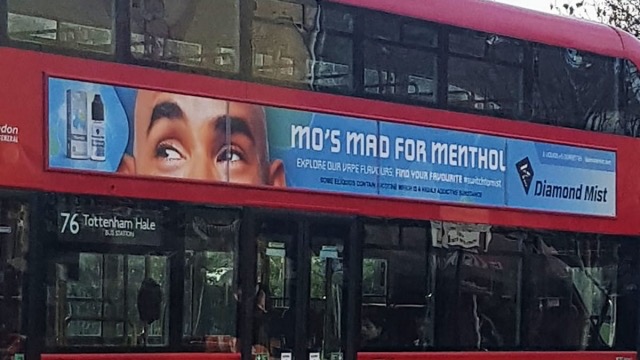
Vaping company Diamond Mist created ads for buses across London using a photo of Olympian Mo Farah’s lookalike and using the slogan “Mo’s Mad for Menthol.” Once the campaign hit, it did not take long for the actual Mo Farah to find out about what was happening. He immediately took to Twitter to let his fans know that he was not part of the brand in any way. This response greatly affected Diamond Mist as a brand. After the uproar, the Advertising Standards Authority got involved, and the ads were banned. Mo Farah and his team took the company to court because of their illegal activity, which resulted in a huge payout and severe damage to their reputation.
What we can learn
From this crisis, we can learn that whatever a company presents to the public should be authentic, original, legitimate, and legal. While influencer marketing is a good way to reach a larger audience, it needs to be done with the support and permission of the influencer or celebrity. If you proceed without permission, the repercussions can affect the reputations of both the influencer and the brand. In Mo Farah’s case, his fans knew him as an Olympian who cared about maintaining a healthy lifestyle. For this reason, they were shocked when they saw he was apparently backing a vaping company. When Mo took legal action, he was able to get a huge payout.
