

No organization can be managed without strategic planning. And in 2025, successful hospital management is even more crucial to meet evolving healthcare demands. The shortage of staff since the COVID-19 pandemic, the increasing population, the endangered patient safety, and the inability to comply with regulatory compliance—hospitals battle significant administrative challenges each day.
But here’s the good news: effective management practices help curb most of these issues. It empowers healthcare professionals to transform their operations by:
- Enhancing patient care
- Boosting staff satisfaction
- Improving hospital-wide outcomes
- Reducing mental burnout of doctors and physicians
In fact, research by NLM indicates that strong management practices can lead to significant improvements, including higher patient satisfaction and reduced staff turnover.
Want to help your hospital thrive in these challenging times? Scroll down as we share 15 proven hospital management strategies for 2025 and beyond.
Top 14 Hospital Management Strategies To Watch Out For in 2025
Here are the 14 strategies that are the answers to your management challenges:
1. Embrace Digital Transformation

The integration of online technology into hospital management is no longer optional. Adopting advanced hospital management software ensures seamless scheduling, billing, and patient record management.
With the help of companies like AROBS, healthcare organizations, including hospitals, can develop tailored software solutions specializing in clinical trials, medical devices, biomedical engineering, and intelligent automation.
2. Offering Telehealth Services
When COVID-19 hit, healthcare systems around the world faced unprecedented challenges. To keep patients safe, self-isolation and distancing were mandatory. This is when the majority of people shifted to remote consultation. Even today, you can use healthcare software for:
- New patients who can’t attend your clinic in person.
- Giving second opinions.
- Gaining ease of convenience of an online consultation in any part of the country.
- Elderly patients with health concerns who cannot travel.
- Managing chronic conditions through regular virtual monitoring.
- Scheduling and sending reminders for routine health checkups.
Telehealth software supports video consultations, remote diagnostic scans, and even digital prescriptions.
3. Focus on Patient-Centric Care
Administrative tasks are important, but your core focus should always be on keeping patients healthy. Hospitals need to prioritize patient experience by:
- Offering personalized care plans.
- Using AI-powered assistants & tools to predict patient needs.
- Listening to patient feedback to improve services.
- Ensuring every decision, from hiring staff to adopting technology, revolves around patient welfare.
4. Strengthen Legal and Risk Management

Managing legal claims and mitigating risks are critical aspects of hospital operations. Accident cases, medical malpractice claims, and insurance disputes can significantly impact your hospital’s reputation and finances if not handled effectively.
To address these challenges:
- Partner with an experienced personal injury lawyer and insurance lawyer to handle accident-related claims efficiently. Their expertise ensures timely resolution of legal disputes, helping protect your hospital from potential lawsuits.
- Implement risk management protocols to identify and address vulnerabilities in patient care, compliance, and operational processes.
- Conduct regular staff training on documentation, compliance, and patient safety to reduce liability risks.
- Use technology to maintain accurate and accessible records, minimizing the risk of errors in legal and insurance matters.
By proactively managing legal risks, your hospital can focus on delivering quality care while safeguarding its reputation and financial stability.
Hence, hospital staff can focus on quality patient care without administrative stress.
5. Invest in Staff Training & Development
Healthcare staff must constantly update their knowledge and skills. In fact, developing countries already have a shortage of 10 million trained healthcare workers. To address this, hospitals can:
- Introduce flexible work arrangements, such as part-time shifts, to reduce stress.
- Establish recognition programs to reward achievements and enhance job satisfaction.
- Offer semi-annual training sessions and skill development opportunities to support continuous education and career growth.
- Teach admin staff about how to use HMIS software for routine tasks.
Hospitals can also bring in external experts or send staff to conferences to gain fresh perspectives.
6. Focus on Employee Well-Being
Did you know that half of healthcare professionals report stress due to workload? Prioritizing employee well-being can significantly improve job satisfaction and patient care quality. Here are some easy ways to support your staff:
- Access to Mental Health Support: A little support can go a long way! Provide free counseling services and celebrate mental health days.
- Recognition Programs: Always appreciate good work through awards or incentives. A simple shout-out for a job well done can inspire your team to keep pushing forward.
- Flexible Work Timings: Doctors often have 12-18-hour shifts. Naturally, that’s going to drain your staff and reduce their productivity. Hence, offer them much-needed breaks or free time to rest. This can help staff balance their personal lives with their demanding jobs. For example, administrative staff can work remotely on software, so you can opt for a hybrid schedule for them.
- Emotional Support Animals: Consider allowing staff with ESA letter to bring emotional support animals to work to provide companionship and reduce stress. This can have a calming effect, improving mental well-being and overall morale, especially in high-stress environments like healthcare.
7. Adopt Energy-Efficient Practices
While sustainability is a global priority, it also makes solid business sense. Hospitals can reduce their carbon footprint by:
- Installing energy-efficient lighting. With LEDs, they can save up to 75% electricity costs.
- Using solar power for long-term savings and energy independence. It also boosts the hospital’s eco-friendly reputation.
- Recycling medical waste like single-use plastics, papers, etc, effectively reduces bad environmental impact.
- Using smart thermostats and energy management systems to monitor and control energy usage in medical equipment.
- Encouraging your medical staff to adopt energy-saving practices. These can be turning off lights and equipment when not in use. Simple actions like these can significantly lower energy usage and create a more sustainable work environment.
8. Optimize Hospital Inventory Management Practices
No matter what business you handle, inventory management is one of the most mind-tricking jobs. With multiple patients, drugs and medicines storage becomes necessary. Lack of visibility can land you with an overstock of expired products, stockouts, or disruptions in clinic operations.
To optimize your inventory to the fullest:
- Leverage AI Tools: Use AI in modern healthcare to monitor stock levels and predict demand patterns. A study by Grand View Research estimates that the healthcare inventory management market will grow at a CAGR of 8.5% from 2021 to 2028, showcasing its rising importance.
- Track Expiry Dates: Implement RFID systems to track and monitor medical supplies.
- Set Par Levels: Establish minimum, maximum, and safety stock levels for critical items.
9. Foster Collaboration Across Departments
Do your hospital’s departments work like isolated islands? Lack of communication often leads to inefficiencies that affect patient care.
Practice these proven tactics for better collaboration:
- Invest in tools like Asana, Teams, or Trello to enable seamless communication between departments.
- Conduct daily or weekly briefings to share updates and address concerns.
- Align all departments with common hospital-wide objectives to create a sense of unity. This creates a positive work culture of empathy and teamwork.
- Pair experienced staff from different departments to share knowledge
- Organize workshops where teams learn about each other’s workflows.
10. Improve Your Money Management
Is your hospital struggling with uncollected payments or unexpected expenses? Financial management is what keeps a hospital from going off-course from where it should be.
Here are some helpful tips for managing your finances in healthcare in 2025:
- Revenue Cycle Management: Invest in Health Management Information Systems (HMIS) software. It helps with repetitive tasks like:
- Automating patient billing process for services, medicines, consultations, etc.
- Tracking the status of insurance claims in real-time.
- Facilitating better communication with patients by sending reminder notifications for payments, upcoming appointments, or changes in insurance directly to patients.
- Integrating clinical and financial data for better reimbursement.
- Complying with healthcare regulations and Insurance Acts.
- Cost-Cutting Measures: Regularly review your contracts with suppliers and service providers. Look for opportunities to negotiate better terms or find competitive pricing alternative vendors.
For instance, if you are purchasing medical supplies regularly from one supplier. But after comparing prices from a different supplier, you found more discounts and timely delivery options. So, now you can either ask your old supplier for a bigger discount or end the contract with them to save on costs.
- Transparent Billing Systems: Assist your patients in receiving their bills promptly from you by ensuring they know what they are being charged for. Always build trust and keep payment delays at bay.
For example, give detailed bills that explain each charge (like lab tests, consultations, and medications). This way, patients will understand and pay it promptly.
- Offer Flexible Payment Options: Medical surgeries are expensive, and not everyone can pay bills in full. In such cases, consider providing flexible payment options.
For instance, you can give discounts of 10% for those who pay immediately or offer patients to pay in installments if they struggle to pay bills in full.
This approach not only eases their financial burden but also helps your hospital receive payments more consistently.
- Increase Staff Awareness: Provide training for your staff on financial management practices. This way, you can avoid errors and better handle your cash flow.
- Use Pre-Owned Storage and Furniture
Another cost-saving strategy is to buy used equipment to replace storage and general furniture. Items like used lockers, tables, and chairs are often in good condition and come at a fraction of the cost of new equipment, which can be a major expense in a hospital’s budget. Consider sourcing these items from trusted platforms to support your hospital’s operational needs at a lower cost.
11. Enhance Cybersecurity Measures
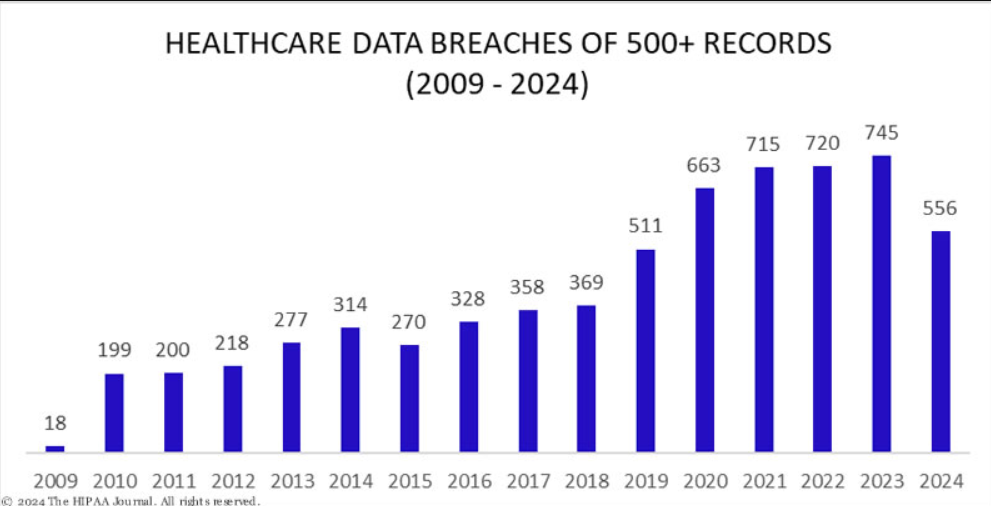
Did you know that in 2023, the healthcare industry was the most compromised sector? The reports above show how data breaches have affected the healthcare industry. It is said that more than 100 million people were affected by cyberattacks globally. This trend ameliorated slightly in 2024. Even so, protecting sensitive patient data has now become a non-negotiable thing.
These are some cybersecurity best practices:
- Multi-Factor Authentication (MFA): All staff should use MFA access for sensitive systems.
- Data Encryption: All patient information must remain encrypted while in transit and at rest.
- Regular Security Audits: Conduct quarterly audits to identify vulnerabilities.
- Employee Training: Basic cyber training must be made mandatory for your staff to recognize phishing emails and other common threats.
- Secure Disposal: Ensure proper destruction of obsolete devices and documents containing sensitive data.
- Phishing Simulations: Conduct periodic simulations to test employee readiness to handle phishing attempts.
12. Monitor Healthcare KPIs
Do you know the best way to measure your hospital’s operational and management success? It’s key performance indicators (KPIs)! They provide valuable insights into operational efficiency and patient care quality.
Important KPIs to track:
- Patient Satisfaction Score: Measures Track metrics like patient wait times to check overall patient experience. Happy pateints often do positive word-of-mouth to their friends and family.
- Bed Occupancy Rate: Monitors the percentage of occupied beds, indicating operational efficiency.
- Equipment Utilization Rate: Tracks how effectively medical equipment is being used.
- Average Treatment Costs: Keep an eye on revenue cycle metrics, such as billing accuracy and accounts receivable days, to ensure your financial performance.
- Employee Turnover Rate: Highlights staff satisfaction and retention levels.
13. Leverage Marketing and Community Engagement
Proactive marketing strategies attract patients and build trust. Hospitals should:
- Maintain an active online presence.
- Running targeted Google and Facebook Ads.
- Host health awareness programs.
- Collaborate with local communities.
For additional tips, you can check out our guide on healthcare marketing.
14. Establish Accountability within the Hospital
Being in the medical field comes with a lot of responsibility—often involving a patient’s life. What if things go wrong? Who would be held responsible? This is why having a strong foundation of accountability within your hospital is a must.
When everyone understands what they have to do and who they have to report, it improves workflow and enhances patient safety.
So, how do we build accountability? By following these simple steps:
- Chalk out everyone’s duties: Whether they are nurses, doctors, or administrative staff, each person must be fully aware of their responsibilities. For example, a nurse should be aware of their responsibility to monitor patient vitals consistently to prevent oversight.
- Implement Standard Operating Procedures (SOPs): Develop and communicate SOPs for various processes within the hospital.
- Encourage transparent reporting: Give employees the opportunity to acknowledge mistakes or near-misses without punishment. Sometimes, warnings are enough.
- Hold regular performance reviews: Evaluate staff based on their adherence to protocols and use these evaluations as an opportunity to recognize strengths and address any gaps.
The Bottom Line
With that said, we come to the end of our article. By now, you have explored 14 actionable strategies to transform your hospital operations and enhance patient care.
By following the above strategies, you can easily and smoothly address all medical challenges and deliver top-notch healthcare services. All you need is the right mindset and strategic planning beforehand.
Remember, success in hospital management isn’t about perfection—it’s about making continuous improvements that benefit everyone involved, from staff to patients. Take the first step today and watch your hospital thrive in 2025 and beyond!
