
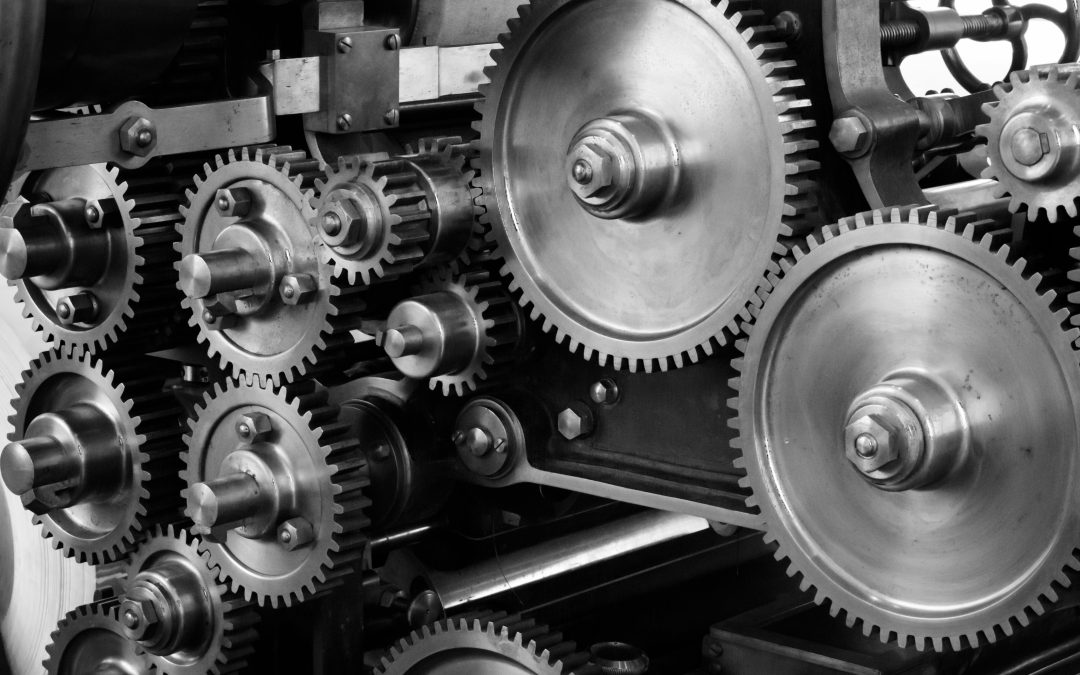
Here are five common machinery issues you can actually prevent before they lead to breakdown of the entire machine
When your machinery stops, it doesn’t just pause the job—it slows down everything around it. Missed deadlines, added pressure, and unnecessary costs quickly pile up. And while it might feel tempting to replace the entire machine when things go wrong, that approach isn’t always practical—or sustainable.
Many machinery issues don’t come out of nowhere. They creep in quietly through worn-out parts that needed a timely swap. Replacing a few critical components can extend the life of your equipment and keep you moving forward without the hefty price tag. Plus, it’s better for the environment.
So, before things break down, here are five common machinery issues you can actually prevent.
1. Hydraulic Failure from Worn-Out Cylinders
Hydraulic systems do the heavy lifting—literally. But when a cylinder begins to leak or lose pressure, you’ll notice it fast. Maybe your loader doesn’t lift as smoothly. Maybe it feels jerky or weak. Or maybe you see fluid around the seals. These signs often push people to think something major has gone wrong. But the problem could just be the cylinder.
Many equipment owners make the mistake of replacing the entire hydraulic setup when replacing the cylinder alone can solve the issue. Luckily, you can also get quality replacement hydraulic cylinders for sale online. They’re available in a range of sizes so that you can match them to your machine’s exact needs. If you source from a reliable supplier, you can also count on longevity and solid construction.
Timely replacement not only restores performance but also protects your pump and valves from strain. Think of it as stopping a small leak before it floods your entire system.
2. Broken Belts and Chains in Equipment
Belts and chains are easy to forget—until they snap. When that happens, your machinery can stall in the middle of a job, leaving you scrambling. The frustrating part? These failures are usually preventable.
Cracks, fraying, or slack in belts and chains are early warning signs. And they’re cheap to replace if you catch them in time. What makes it costly is waiting too long. A broken belt might take out nearby components or interrupt an entire day’s work.
One smart move? Keep spare belts and chains on hand. It’s a simple way to stay ahead, especially during your busiest seasons. A five-minute fix is better than a full-day delay.
3. Overheating Due to Poor Cooling Components
Engines and hydraulics run hot—but they’re not supposed to overheat. If they do, it can lead to serious damage or total system failure. And the culprit is often something small: a cracked hose, a clogged filter, or a weak radiator fan.
These cooling components are the silent heroes of your machinery. When one goes out, your entire system runs too hot. That puts stress on every other part, from your pistons to your pump.
Don’t wait for the temperature gauge to spike. Routine checks on hoses, radiators, and filters keep things flowing smoothly. Replacing these parts when they show wear can prevent major engine repairs down the line.
4. Electrical Failures from Faulty Connectors or Fuses
Electrical machinery issues can be tricky. One day, everything powers up fine. Next, you’re staring at a dead dashboard. More often than not, it’s something small causing a big headache.
Loose connectors, corroded wires, or blown fuses can bring your machine to a stop. And if you’re out in the field? That’s more than inconvenient—it’s a lost opportunity.
This is where preparation pays off. Having spare fuses and robust connectors in your box means you’re prepared when things fall apart. If you work with machines that are exposed to the elements and vibration, buying quality electrical components is just common sense. That’s peace of mind in a ziplock bag.
5. Poor Performance from Worn Bearings and Bushings
It starts with a small vibration. A subtle shake. Maybe a grinding noise. These are often signs that your bearings or bushings are wearing out. It’s easy to overlook, but over time, that tiny flaw grows.
Worn bearings affect alignment. Misaligned parts lead to uneven wear and tear. Before long, the machine doesn’t move like it should. It might feel off, drag more, or even lock up.
Replacing bearings and bushings before they fail keeps your equipment running smoothly. You’ll notice less vibration, better fuel efficiency, and fewer breakdowns. It’s a small change that makes a big difference.
Conclusion
Most breakdowns start small. But left unchecked, they grow into costly repairs and unwanted downtime. The right replacement part, installed early, can keep your machines running strong. So check your equipment often. Replace parts before they fail. And when it comes to hydraulic systems, belts, or bearings, don’t wait for a breakdown to take action. Stay ahead, stay prepared, and keep your operation moving.
In some cases, hiring a machine can be a more cost-effective and flexible option than purchasing one outright, especially for short-term or specialized tasks. For example, trencher hire allows you to access the right equipment when you need it, without the burden of long-term maintenance or storage. It’s a smart way to keep projects on track and avoid delays caused by unavailable or unreliable machinery.
